


Views: 0 Author: Site Editor Publish Time: 2026-03-12 Origin: Site


Industrial materials often raise direct and practical questions. When professionals evaluate Polyester Polyol, the primary concern is rarely abstract chemistry—it is operational safety. Can this polyurethane raw material be handled in a normal production environment? Does it require complex containment systems? How should it be stored to maintain both safety and product quality? Polyester Polyol safety is best understood through practical workplace management, correct storage procedures, and disciplined handling rather than exaggerated concerns or casual assumptions.
The word “safe” carries different meanings depending on context. In industrial manufacturing, safety typically refers to predictable behavior during storage, transport, and processing. Buyers want to know whether polyester polyol poses unusual risks during normal operations and whether special infrastructure is required for routine handling.
Most questions fall into four categories:
Is it hazardous during standard industrial use?
Does it require specialized protective equipment?
Can it be transported and stored without extreme environmental control?
Will it create unexpected exposure risks in a production environment?
It is important to distinguish raw material handling from the performance of the final polyurethane product. Polyester polyol is a reactive component used before polyurethane formation. Once polymerized into foam, panels, or structural parts, it becomes part of a stable polymer matrix. Safety considerations therefore focus primarily on the liquid raw material phase prior to reaction.
In well-managed industrial facilities, polyester polyol can be handled within established chemical safety frameworks. The emphasis is on discipline, documentation, and good manufacturing practice rather than extraordinary protective measures.
Industrial chemical references consistently categorize polyester polyols as materials that do not present unusual hazards under normal processing conditions. This does not imply zero responsibility. Instead, it indicates that the material can be managed safely within standard chemical handling procedures.
Industrial environments around the world use polyester polyol in polyurethane production without requiring extreme containment or isolation systems. The key to safe operation lies in clear documentation, routine inspection, and adherence to workplace safety standards.
Polyester polyol is typically stable under normal storage conditions. It is not highly volatile, and it does not exhibit spontaneous reactivity when stored correctly. This stability supports predictable handling in production facilities.
Even materials classified as low hazard require structured safety procedures. Chemical handling always involves awareness of potential exposure. Direct contact with skin or eyes should be avoided. Containers should remain sealed when not in use. Transfer systems should be designed to minimize spills.
Low hazard classification reduces the need for complex emergency systems, but it does not eliminate routine safety discipline. Good practice ensures that safe materials remain safe in operation.
Safe handling is closely connected to product quality. Improper storage can introduce contaminants or moisture that affect polyurethane reactions. Sloppy transfer procedures may lead to spills that create operational disruption.
Maintaining organized storage areas, labeled containers, and documented batch tracking improves both safety and production efficiency. Safety culture and quality management reinforce each other.
Hengshui Xinfa Polyurethane Materials Co., Ltd. integrates these principles into its manufacturing environment. Established in 2010 and located in the Salt Chemical Circular Economy Park in Jizhou District, Hebei Province, the company operates modern production workshops supported by a complete environmental protection system. This infrastructure ensures controlled production and responsible material management.
Handling polyester polyol in industrial settings involves structured routine procedures rather than complex protective systems.
Workers should avoid unnecessary direct contact with the liquid material. Eye protection and gloves resistant to chemical exposure are commonly recommended. Hands should be washed after handling, and containers should be resealed immediately after dispensing.
Spill management protocols should be clearly defined. Absorbent materials and containment systems help manage accidental releases. Keeping transfer equipment in good condition reduces leakage risks.
Processing areas should maintain adequate ventilation. Although polyester polyol is not highly volatile, ventilation supports a comfortable and controlled working environment.
Personal protective equipment in polyurethane production facilities often includes:
Safety glasses or goggles
Protective gloves compatible with chemical exposure
Long-sleeved work clothing
Safety footwear
The level of PPE may vary depending on local regulations and the specific polyester polyol grade being processed.
Structured PPE use reflects professional industrial practice. It is not an indication of extreme hazard but part of responsible workplace management.
Ventilation ensures that any minor vapors generated during heating or processing do not accumulate. Clean floors and organized storage areas reduce trip hazards and prevent accidental mixing of incompatible materials.
Cleanliness also protects product integrity. Contamination can affect reaction consistency and final polyurethane performance. By maintaining strict internal quality control systems, Xinfa ensures that polyester polyol products leave the factory in stable and clean condition, ready for safe downstream processing.
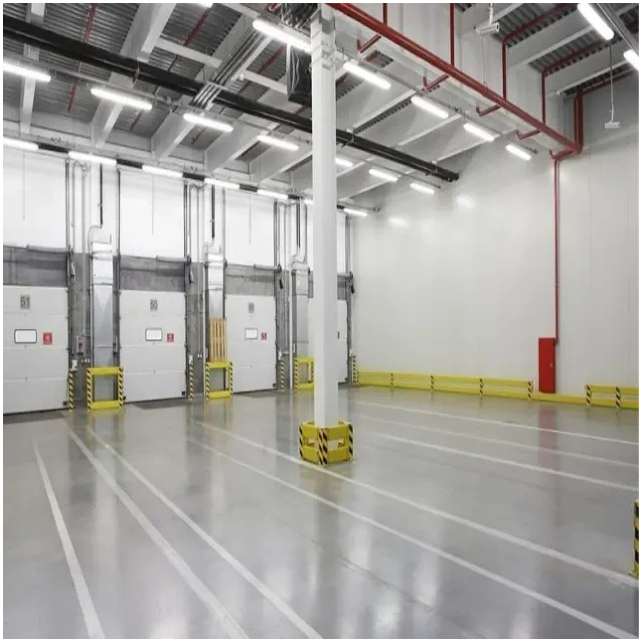
Proper storage is central to both Polyester Polyol safety and performance stability. The material should be stored in tightly sealed containers to prevent exposure to air and moisture.
Storage areas should be dry and protected from direct sunlight or extreme temperatures. Prolonged exposure to heat may alter viscosity, while excessive moisture can influence reactivity during polyurethane formation.
Industrial facilities commonly use bulk storage tanks or sealed drums. Transfer systems should be inspected regularly to prevent leaks or contamination.
Polyester polyol participates in polyurethane reactions that are sensitive to water content. Moisture intrusion can influence reaction rates and foam structure. Keeping storage containers sealed prevents unwanted moisture absorption.
Moisture control also prevents potential microbial contamination or degradation during extended storage periods.
Moderate and stable storage temperatures maintain predictable viscosity and flow characteristics. Excessive heat can accelerate degradation, while extreme cold may increase viscosity and complicate transfer.
Xinfa’s manufacturing facility includes structured storage and environmental control systems to protect polyester polyol quality throughout production and distribution. With an annual capacity of 50,000 tons, maintaining consistent storage standards is critical to delivering reliable product performance.
Improper handling or storage primarily affects quality and operational reliability, but it can also increase safety risks.
Quality drift may occur if moisture contamination changes reactivity. Variations in viscosity can affect metering precision in polyurethane processing equipment. These inconsistencies may result in foam density variation or incomplete curing.
Poor container management increases the likelihood of accidental spills. Spills can create slip hazards and require cleanup procedures that interrupt production.
Inconsistent labeling or batch tracking can lead to confusion during formulation, increasing the risk of process error. Therefore, organized storage and documentation are essential components of Polyester Polyol safety management.
Although polyester polyol products share general handling principles, specific formulations may differ in additives, viscosity, or reactivity. Each grade should be accompanied by its own safety data sheet.
Reviewing documentation ensures that operators understand any grade-specific precautions. For example, processing temperatures or storage limits may vary between formulations.
Hengshui Xinfa Polyurethane Materials Co., Ltd. provides detailed product documentation for its polyester polyol series. The company’s research and development center ensures that technical data remains accurate and aligned with production characteristics.
Following supplier documentation supports compliance with local regulations and internal safety policies.
Area | Good Practice | Why It Matters |
Handling | Avoid direct eye contact, use gloves and eye protection | Minimizes exposure risk |
Storage | Keep sealed, dry, and protected from extreme heat | Preserves stability and quality |
Environment | Maintain ventilation and organized workspace | Supports safe, efficient processing |
Documentation | Follow grade-specific safety data sheets | Ensures correct handling procedures |
Inspection | Regularly check containers and transfer lines | Prevents leaks and contamination |
This checklist summarizes the structured approach to managing polyester polyol safely in industrial settings.
Hengshui Xinfa Polyurethane Materials Co., Ltd. operates as a high-tech enterprise dedicated to polyester polyol and polyurethane material production. Covering 25,000 square meters, the facility includes research laboratories, advanced production workshops, and environmental protection infrastructure.
Strict quality control systems ensure consistent product properties. Stable formulation reduces unexpected processing behavior, which contributes to operational safety. Clear documentation and technical guidance support customers in implementing appropriate storage and handling procedures.
By integrating research, production, and environmental management, Xinfa strengthens both safety and product reliability. Consistent batch quality reduces uncertainty during polyurethane processing, while professional support assists clients in maintaining safe operational standards.
Assessing Polyester Polyol safety requires a practical perspective. It is neither a material to fear nor one to handle casually. Under normal industrial conditions, with proper storage, ventilation, personal protective equipment, and adherence to documentation, it can be managed safely and reliably. When supported by disciplined quality control and technical guidance, this polyurethane raw material becomes a stable and dependable component in insulation and industrial systems. Hengshui Xinfa Polyurethane Materials Co., Ltd. remains committed to delivering high-quality polyester polyol products along with responsible technical support. For detailed safety documentation, storage recommendations, or technical consultation, contact us directly.
1. Is polyester polyol safe under normal industrial conditions?
Yes. When handled according to standard industrial safety procedures and documented guidelines, polyester polyol can be used safely.
2. What storage conditions are recommended for polyester polyol?
It should be stored in sealed containers, kept dry, and protected from extreme temperatures to maintain stability and safety.
3. Does polyester polyol require specialized safety equipment?
Routine personal protective equipment such as gloves and eye protection is generally sufficient, depending on the specific grade and facility regulations.
4. How does proper handling affect polyester polyol performance?
Correct handling and storage prevent contamination and moisture intrusion, ensuring consistent polyurethane processing and reliable final product performance.


