


Views: 0 Author: Site Editor Publish Time: 2026-06-30 Origin: Site


Polyurethane performance starts before the foam is made. It starts with the raw materials. Polyester polyol may look like one product, but its formula can change a lot. In this article, you will learn what goes into polyester polyol and why each material matters.
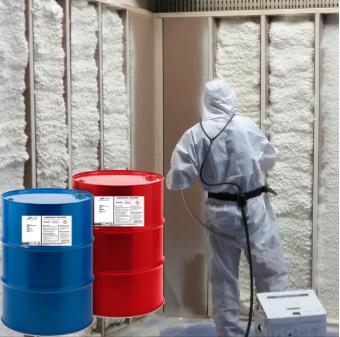
● Polyester polyol is mainly made from acid components and glycol components. These react to form ester bonds and terminal hydroxyl groups.
● Common acid raw materials include phthalic anhydride, terephthalic acid, adipic acid, isophthalic acid, and recycled PET-based feedstock.
● Common glycol raw materials include diethylene glycol, monoethylene glycol, ethylene glycol, 1,4-butanediol, dipropylene glycol, neopentyl glycol, and glycerol.
● Aromatic raw materials usually improve rigidity, heat resistance, insulation performance, and fire behavior.
● Aliphatic raw materials often improve flexibility, low-temperature performance, and process balance.
● Recycled PET can be converted into PET polyester polyol through glycolysis.
● Final performance depends on hydroxyl value, acid value, moisture, viscosity, and raw material ratio.
● The right raw material choice depends on the final use, such as rigid foam, PIR panels, CASE systems, or fertilizer coatings.
The first major raw material group is acids or anhydrides. These materials provide carboxyl groups. They react with hydroxyl groups from glycols to build ester linkages.
Common acid components include phthalic anhydride, terephthalic acid, isophthalic acid, adipic acid, succinic acid, and glutaric acid. Aromatic acids, such as phthalic anhydride and terephthalic acid, help create a stiffer polymer backbone. Aliphatic acids, such as adipic acid, usually give more flexibility and softer performance.
The second major group is glycols or polyhydric alcohols. They provide hydroxyl groups. These groups react with acid components and remain important in the final polyurethane reaction.
Typical glycols include monoethylene glycol, diethylene glycol, ethylene glycol, 1,4-butanediol, dipropylene glycol, 1,6-hexanediol, neopentyl glycol, and glycerol. Short-chain glycols usually increase hardness and reactivity. Longer or branched glycols can improve flexibility, hydrolytic stability, and processability.
Recycled PET is an important raw material in some polyester polyol systems. It brings aromatic ester structures into the formula. These structures can support rigidity, thermal stability, and mechanical strength.
In PET-based systems, PET waste is broken down by glycolysis. The PET reacts with a glycol, often diethylene glycol, under heat and catalyst action. The result is a hydroxyl-terminated liquid suitable for polyurethane production.
Catalysts are not the main building blocks, but they help the reaction move at a useful speed. They support esterification, transesterification, or polycondensation. Without proper catalyst control, the reaction may become slow, uneven, or hard to finish.
Processing aids may also help control color, storage stability, viscosity, and moisture. These details matter because polyester polyol must perform consistently in foam, coating, adhesive, or elastomer systems.
Some polyester polyol systems include extra functional materials. These may improve flame performance, compatibility, branching, adhesion, or biodegradability.
For example, flame-retardant polyester polyol may use raw material structures that support char formation or reduce burning behavior. Fertilizer coating systems may use recycled or biomass-derived inputs to support coating performance and degradation needs.
Aromatic acids contain ring structures. These rings make the polymer chain stiffer. In rigid foam and PIR panel systems, this stiffness can improve dimensional stability, compressive strength, and heat resistance.
Aromatic polyester polyols are often preferred in insulation panels because they support fire behavior, char formation, mechanical strength, and thermal stability.
Aliphatic acids create a more flexible chain. They are useful when the final polyurethane needs softness, movement, or low-temperature performance.
Adipic acid is a common example. It can help in elastomers, adhesives, and coatings where impact resistance or flexibility is more important than maximum rigidity. This is why CASE formulations often use different acid structures than rigid foam formulations.
Many formulas do not rely on one acid only. A producer may blend aromatic and aliphatic acid components to balance strength, flexibility, viscosity, and cost.
For rigid foam, higher aromatic content may be useful. For coatings or adhesives, the formula may need more flexibility and adhesion balance. For fertilizer coatings, film-forming behavior and degradation rate become more important.
Short-chain glycols create shorter segments in the polymer. This often increases hardness, hydroxyl value, and reactivity. It can help rigid foam systems cure faster and form stronger networks.
Diethylene glycol and monoethylene glycol are common examples. They are also often used in PET glycolysis routes, where they break PET chains and create reactive hydroxyl-terminated oligomers.
Branched glycols, such as neopentyl glycol, can improve hydrolytic stability. This matters in coatings, adhesives, sealants, and elastomers exposed to moisture, heat, or outdoor conditions.
A more stable glycol choice can reduce the risk of ester bond breakdown. It may also improve the service life of the final polyurethane product.
The glycol-to-acid ratio helps set the hydroxyl value. A higher hydroxyl value usually means higher reactivity. This is often useful for rigid foam and fast-curing systems.
Lower hydroxyl values may suit flexible coatings, adhesives, and elastomers. In these applications, the goal is not just fast curing. It is balanced strength, flexibility, and long-term performance.
Note:High hydroxyl value is not always better. It must match the isocyanate system and final application.
PET already contains aromatic ester structures. When it is recycled into polyester polyol, those structures can add rigidity, heat resistance, and chemical resistance.
This makes PET-based polyester polyol useful for rigid polyurethane foam, insulation boards, cold storage panels, appliances, and other applications where structure and cost control matter.
PET glycolysis is a chemical recycling process. PET flakes are heated with glycol and a catalyst. The long PET chains break into shorter hydroxyl-terminated molecules.
The simplified idea is direct: PET plus glycol becomes PET polyester polyol. The final liquid can then react with isocyanates to make polyurethane products. The exact result depends on PET purity, glycol type, catalyst, temperature, and finishing control.
PET-based polyester polyol can lower raw material cost and support circular material use. It also adds aromatic content, which helps rigid foam performance.
However, it may have higher viscosity. Color can also be darker than virgin raw material systems. PET feedstock quality must be controlled, because labels, pigments, and mixed plastics can affect consistency.
Raw Material Group | Common Examples | Main Function | Typical Performance Effect |
Aromatic acids / anhydrides | Phthalic anhydride, terephthalic acid, isophthalic acid | Build rigid ester backbone | Better rigidity, heat resistance, fire behavior |
Aliphatic acids | Adipic acid, succinic acid, glutaric acid | Add flexible chain segments | Better flexibility and low-temperature behavior |
Glycols | DEG, MEG, EG, BDO, DPG, HDO, NPG | Supply hydroxyl groups | Control reactivity, viscosity, stability |
Recycled PET | PET flakes or PET waste | Aromatic recycled feedstock | Cost efficiency, rigidity, insulation value |
Triols / branching agents | Glycerol, TMP-type structures | Increase functionality | More crosslinking and hardness |
Catalysts | Metal or organic catalysts | Speed up esterification | Better process control |
Functional modifiers | Flame-retardant or bio-based inputs | Add special performance | Fire resistance, degradation, compatibility |
Hydroxyl value shows how many reactive hydroxyl groups are available. It affects how quickly the polyester polyol reacts with isocyanate.
Rigid foam systems often use higher hydroxyl values. CASE systems may use lower values when flexibility, adhesion, and durability matter more.
Acid value shows how much unreacted acid remains. Lower acid value usually means a more complete reaction and better stability.
Moisture also matters. Water can react with isocyanate and create unwanted gas, foam defects, or unstable processing. For this reason, polyester polyol is usually stored in dry, sealed conditions.
Viscosity affects pumping, blending, spraying, and panel production. High aromatic content and higher molecular weight can increase viscosity.
A formula with excellent performance may still cause problems if it is too thick for the equipment. This is why technical data should be reviewed together, not one value at a time.
Tip:Do a small compatibility trial before changing raw material routes or recycled PET content.
CASE means coatings, adhesives, sealants, and elastomers. These products need adhesion, toughness, abrasion resistance, and chemical resistance.
For these uses, raw materials must balance flexibility and strength. Aromatic structures can improve hardness and chemical resistance. Aliphatic structures can improve flexibility. Stable glycols can help reduce hydrolysis risk.
Fertilizer coatings need film strength, controlled nutrient release, and suitable degradation. Raw material choice affects coating thickness, cost, degradation time, and nutrient release rate.
In this field, polyester polyol may use recycled or biomass-derived inputs. The goal is not only strength. The coating must protect fertilizer granules and release nutrients over time.
Xinfa offers polyester polyol for rigid foam, PIR panels, spray insulation, CASE uses, flame-retardant systems, and fertilizer coatings. Its value comes from stable production, customizable formulas, and practical technical support. By choosing the right raw materials, users can improve strength, insulation, processing, and long-term product performance.
A: Polyester polyol mainly uses acids, anhydrides, glycols, and sometimes recycled PET.
A: PET adds aromatic structure, helping rigidity, insulation, and cost control.
A: Glycols control hydroxyl value, viscosity, reactivity, and flexibility.
A: It can reduce feedstock cost, but quality control still matters.
A: Aromatic acids, PET feedstock, and flame-retardant modifiers usually help.


