


Views: 0 Author: Site Editor Publish Time: 2026-04-16 Origin: Site


Polyether polyol has long seemed like the safer polyurethane default, but 2026 is changing that view. In more demanding applications, polyester polyol is gaining ground as durability and resistance matter more. In this article, you will learn where it outperforms polyether polyol, which uses matter most, and how to choose the right grade.
When formulators compare polyester polyol with polyether polyol, the real question is not which family is better in general, but which one better protects performance under actual service conditions. Polyester-based systems are usually chosen when strength, wear resistance, and chemical exposure matter most. Polyether-based systems remain attractive where moisture stability, low-temperature flexibility, and easier handling are more important.
Polyester polyol is often associated with a tougher mechanical profile. In polyurethane elastomers, it generally delivers higher tensile strength, better tear resistance, and stronger flex-fatigue behavior than standard polyether alternatives. That makes it valuable when a part must hold its shape under repeated stress rather than simply rebound after impact.
The abrasion story is more specific. Polyester systems tend to perform better when sliding abrasion is the dominant wear mode, while highly resilient polyether systems can perform well in impingement abrasion. That difference matters because many industrial failures come from surface drag and friction, not only from impact. For components that face constant contact, scraping, or rolling wear, polyester polyol often provides a more durable balance of strength and surface retention.
Hydrolysis is the line polyester polyol cannot ignore. Conventional polyester structures can generate acidic species during degradation, and those residues can accelerate further breakdown in warm, wet, or humid service. That weakness becomes more important when polyurethane parts are exposed to water immersion, repeated washing, or long-term humidity.
Polyether polyol performs better here because its chemistry is more resistant to hydrolytic cleavage. That is why it remains the safer choice for water-exposed applications and environments where property retention in damp conditions matters more than chemical resistance or high mechanical strength. In short, if moisture is the main threat, polyether still holds the stronger position.
Where the service environment includes oils, greases, fuels, or non-polar hydrocarbon solvents, polyester polyol usually gains the advantage. Its backbone gives polyurethane better resistance to chemical swelling and surface deterioration in these environments. This matters in industrial systems where contact with lubricants, hydraulic fluids, process chemicals, or oily surfaces is frequent.
Polyether polyol, by contrast, is less suitable when mineral oils or hydrocarbon-based solvents are part of daily service conditions. Those environments can drive faster property loss and shorten usable life. This difference is one of the clearest reasons polyester polyol remains important in performance-driven formulations.
Production behavior often pulls the decision in the opposite direction. Polyether grades such as PTMEG are valued for relatively low viscosity and easier mixing, while PPG stays liquid at room temperature and suits room-temperature systems well. These traits make polyether easier to meter, pump, and process consistently in many plants.
Polyester polyol can require more temperature control because it often has higher melting points, broader molecular-weight distribution, and higher acidity, all of which can affect catalyst response and processing consistency. In practice, that means polyester can reward tighter formulation control with stronger final properties, but polyether is usually more forgiving on the plant floor.
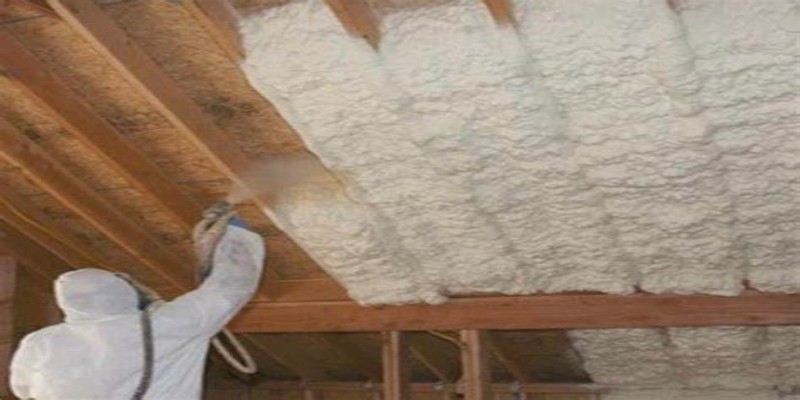
In 2026, the strongest uses for polyester polyol are not the softest or most moisture-tolerant polyurethane systems. They are the applications where toughness, abrasion resistance, chemical resistance, adhesion, and dimensional stability directly affect service life. That is why polyester polyol continues to stand out in demanding elastomers, durable CASE systems, performance footwear, and rigid insulation structures, even while polyether polyol remains dominant in comfort-oriented foam segments.
Application area | Performance demand driving selection | Why polyester polyol fits |
Industrial elastomers and wear parts | Repeated stress, friction, impact, and abrasive contact | Strong tensile and tear properties, good sliding abrasion resistance, long service life |
High-durability CASE systems | Film integrity, bond strength, surface protection, chemical exposure | Strong adhesion, cohesive strength, hardness, and solvent resistance |
Footwear and repeated-flex products | Wear under motion, surface damage resistance, balanced toughness | Better abrasion resistance, oil resistance, and durability under repetitive movement |
Rigid foam and structural insulation | Compressive strength, shape retention, panel support | Better dimensional stability, structural support, and bonding to facings |
Polyester polyol is a strong-fit choice for polyurethane elastomers used in wheels, rollers, conveyor components, scraper blades, seals, and similar parts exposed to constant wear. These products are not judged by softness or rebound alone. They are judged by how long they hold their shape, resist surface loss, and survive repeated stress in harsh operating environments.
That is why mining screens, conveyor hardware, pipeline pigs, roll covers, and abrasion-heavy mechanical parts remain classic examples of polyester-led design. In these uses, polyester polyol supports higher tensile strength, better tear resistance, and stronger sliding abrasion performance. When service life depends on resisting friction, load, and mechanical damage, the value of polyester polyol becomes easier to justify.
Within CASE applications, polyester polyol is most valuable where durability is built into the product promise. In coatings, it helps create hard, protective films with strong chemical resistance, good surface appearance, and dependable adhesion. In adhesives and sealants, its polarity supports wetting, internal cohesive strength, and joint reliability under load or environmental change.
That makes polyester polyol relevant for protective floor coatings, anti-corrosion layers, structural bonding, laminated panels, and industrial assemblies where failure is often caused by gradual loss of bond strength or surface integrity rather than sudden breakage. This is also why polyester polyol appears more naturally in performance-led coatings and industrial CASE formulations than in softer, comfort-driven polyurethane systems.
Footwear remains one of the clearest downstream markets where polyester polyol earns its place. Outsoles, midsoles, safety footwear bottoms, and industrial shoe components need to survive repeated bending without losing abrasion resistance too quickly. In this category, polyester polyol supports a more durable balance of toughness, surface-wear resistance, and oil resistance.
That matters in both consumer performance shoes and work-oriented footwear. Products designed around service life, jobsite exposure, and repeated motion often benefit more from wear durability than from softness alone. In 2026, that distinction matters even more because many buyers are prioritizing longer product life over short-term comfort appeal.
Rigid polyurethane foam is a very different use case, but it is still one of the best polyester polyol applications. Here, the selection logic is structural rather than elastomeric. Polyester polyol helps rigid boards, sandwich panels, refrigerator insulation, cold-room panels, and related systems maintain compressive strength and dimensional stability over time.
It also improves bonding to facings and contributes to structural support in insulated assemblies. For refrigeration and construction-related insulation, this matters because the foam must do more than insulate. It must keep its geometry, support layered structures, and remain dependable through long service cycles. In these systems, polyester polyol is valued less for flexibility and more for stability under load.
The growing attention around polyester polyol in 2026 is not mainly about novelty. It reflects a change in how polyurethane materials are being judged. Buyers and formulators are looking less at which polyol family is most familiar in the market and more at which one can protect performance over a longer service cycle under real operating stress.
2026 shift | What it changes in material selection |
Longer service-life expectations | Buyers pay more attention to durability and property retention |
Harsher operating conditions | Materials are judged by resistance under stress, not just initial performance |
More targeted formulation work | Formulators choose polyols by application fit instead of broad habit |
Purchasing logic has become more performance-led. Instead of assuming one polyol family should be used across a wide range of polyurethane products, buyers are asking which material holds up better after repeated stress, chemical contact, or extended use. That shift naturally gives polyester polyol more visibility in applications where durability, abrasion resistance, and structural integrity have a direct effect on replacement cost and product reliability.
Familiarity is losing value when lifecycle performance becomes easier to measure and more expensive to ignore. For many B2B buyers, the question is no longer which chemistry is more common. It is which chemistry reduces long-term failure risk in the actual service environment.
Across industrial and technical markets, polyurethane parts are increasingly expected to operate under longer maintenance intervals and more demanding service conditions. That changes the meaning of better material. A system that is easy to process or widely used is no longer automatically preferred if it loses properties too quickly in contact with friction, oil, load, or elevated temperature.
This shift is especially visible in products that work in mining, transport, industrial flooring, equipment protection, and mechanical handling systems. When exposure becomes harsher, initial lab results matter less than real-world performance retention.
In 2026, formulation strategy is becoming more application-specific. Rather than relying on one broad default, formulators are matching polyol chemistry to the exact balance of mechanical, chemical, thermal, and processing requirements in the target product.
That is one reason polyester polyol is gaining attention again. It fits targeted formulations where specific performance demands matter more than broad material convention. Instead of asking which polyol is generally safer, more teams are asking which one is technically better for this product, this environment, and this production setup.
Choosing the right polyester polyol is less about finding the strongest product on paper and more about avoiding the wrong compromise for the actual application. A grade that performs well in an abrasion-heavy elastomer may be a poor fit for a humid environment, while a high-performance option may add cost and complexity without delivering meaningful value in a less demanding system.
Polyester polyol family | Best practical fit | Main reason it is chosen |
Conventional polyester polyols | General industrial elastomers, CASE systems, rigid structures | Good balance of strength, abrasion resistance, adhesion, and chemical resistance |
Polycaprolactone-based polyols | Broad-temperature, higher-durability polyurethane parts | Lower acid value, better hydrolysis resistance, lower viscosity, and improved durability profile |
Polycarbonate-based polyols | Premium long-life systems in aggressive environments | Strong resistance to heat, hydrolysis, weathering, and long-term property loss |
The first filter should always be the environment in which the finished polyurethane part must survive. That means evaluating whether the product will face constant moisture, high humidity, oils, fuels, solvents, repeated mechanical load, elevated temperature, or a specific type of wear.
Polyester polyol can be an excellent choice when abrasion resistance, chemical resistance, and structural toughness matter most, but it becomes a riskier choice if hydrolysis exposure is severe and continuous. This is why selection should begin with operating conditions rather than supplier habit or broad category preference. Long-term retention of properties depends on matching chemistry to exposure, not simply targeting strong initial test data.
Once the service environment is clear, the next step is matching the polyester polyol family to the performance goal. Conventional polyester polyols are often sufficient when the application needs a solid combination of strength, cut resistance, solvent resistance, and adhesion.
Polycaprolactone-based options are more appropriate when the application must perform across a broader temperature range or needs better hydrolytic stability and easier control through lower viscosity and narrower molecular-weight distribution. Polycarbonate-based options sit at the premium end and make the most sense when the application demands maximum durability against heat, moisture, weathering, and long-term environmental attack. Treating all polyester chemistry as one class usually leads to poor selection decisions.
A technically suitable grade can still fail in production if the plant cannot process it consistently. Polyester polyols often bring higher viscosity, higher melting points, broader molecular-weight distribution, and greater sensitivity to acidity than polyether alternatives, so handling conditions matter.
Before locking in a grade, formulators should confirm raw-material temperature control, moisture management, metering accuracy, and mixing capability. Equipment that works well with a more forgiving system may not hold the same consistency with a tighter polyester-based formulation. In practice, plant-side feasibility is part of material selection, not a separate step after the decision.
Several mistakes appear again and again in polyester polyol selection:
● Choosing only by raw material price instead of total service-life value
● Ignoring hydrolysis exposure in warm, wet, or humid operating conditions
● Assuming all polyester polyol grades deliver the same balance of properties
● Relying on lab data without checking how the material behaves under real production and service conditions
These errors usually come from compressing a multi-variable decision into a single benchmark. A stronger approach is to define the environment first, match the polyol family second, and confirm processing fit before finalizing the formula.
In 2026, polyester polyol is surprising polyether polyol by excelling in more durability-driven applications, not by replacing it everywhere. The right choice depends on service conditions, performance goals, and processing needs. Hengshui Xinfa Polyurethane Materials Co., Ltd. delivers polyester polyol solutions with strong wear resistance, chemical durability, and practical application support, helping customers choose materials that create longer-lasting polyurethane products.
A: Polyester polyol is usually better in applications needing abrasion resistance, tear strength, and oil resistance.
A: Polyester polyol is less suitable for continuous moisture exposure, where hydrolysis resistance is critical.
A: Polyester polyol grades for rigid foam should prioritize compressive strength, dimensional stability, and processing consistency.


