
English


Views: 0 Author: Site Editor Publish Time: 2026-04-07 Origin: Site


Choosing the wrong polyol can raise costs and hurt product performance. When comparing polyester polyol and polyether polyol, the real question is which one fits your application better. In this article, you will learn how they differ, where each works best, and how to choose with more confidence.
The short answer is that neither option is universally better. In polyurethane systems, the right choice depends on what the finished material must endure in actual use—mechanical stress, moisture, chemicals, temperature swings, or repeated movement. A formulation that performs well in one environment may underperform in another, so the better polyol is the one that matches the application’s real service conditions rather than the one with the strongest overall reputation.
Priority | Better Choice | Why It Usually Wins |
Toughness, wear, oil or solvent contact | Polyester polyol | Higher strength, better abrasion resistance, and stronger resistance in chemically demanding conditions |
Moisture, humidity, long service life | Polyether polyol | Better hydrolytic stability and stronger durability in wet or humid environments |
Flexibility, rebound, low-temperature use | Polyether polyol | Better resilience and more reliable performance when softness or cold resistance matters |
A buyer comparing polyester polyol with polyether polyol is really comparing performance priorities. If the product must stay hard-wearing and stable under load, one answer makes sense. If it must resist water exposure or keep flexibility over time, the other becomes more suitable. That is why the question should always be tied to the final application, not asked in isolation.
Polyester polyol is typically the stronger choice when the main target is mechanical durability. It is better suited to applications where abrasion resistance, hardness retention, chemical contact, or elevated-temperature performance matters more than moisture exposure.
Polyether polyol is usually preferred when the application must handle humidity, repeated flexing, rebound, or cold conditions without losing performance. In these cases, long-term stability often matters more than maximum hardness or chemical resistance.
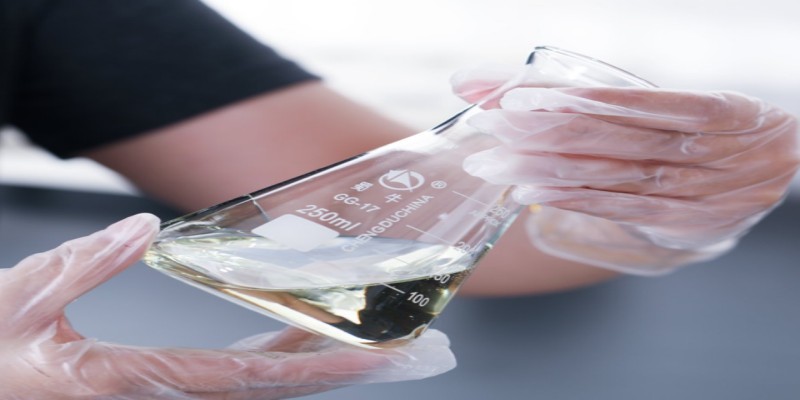
The performance gap between polyester polyol and polyether polyol is not a matter of one material being universally superior. It comes down to which type of stress dominates in service. Polyester-based polyurethane generally performs better when the part must resist wear, hold its shape, and tolerate oil or solvent contact. Polyether-based polyurethane usually performs better when the part must survive humidity, repeated flexing, long service life, or low-temperature exposure without becoming brittle or unstable. That difference shows up clearly once performance is evaluated category by category.
Performance factor | Polyester polyol-based PU | Polyether polyol-based PU |
Tensile and tear strength | Stronger, with higher hardness potential and better cut resistance | Lower peak strength, but better elongation and resilience |
Abrasion and dimensional stability | Better for sliding wear and shape retention under load | Good wear performance, but more often selected for dynamic impact than heavy sliding abrasion |
Moisture and hydrolysis resistance | More vulnerable in hot, wet, or humid conditions | More stable in moisture-rich environments and under long-term hydrolytic stress |
Heat and cold behavior | Better at sustained high-temperature exposure and heat aging | Better flexibility in cold conditions and better rebound under repeated movement |
Processing behavior | Higher viscosity and more demanding handling in some systems | Lower viscosity, easier flow, easier mixing, and broader equipment compatibility |
If physical toughness is the main requirement, polyester polyol usually has the advantage. The ester-based structure contributes to stronger intermolecular attraction, which translates into higher tensile strength, better tear resistance, and a harder finished material. In practical terms, that means polyester-based systems are more likely to maintain surface integrity under friction, scraping, or sustained load. They also tend to deliver better dimensional stability, which matters when a part must keep its shape instead of deforming under pressure. That is why polyester polyol is often favored for structural parts, wear components, and applications where loss of hardness would shorten service life.
Polyether polyol is not weak, but its performance profile is different. It usually trades some peak strength and hardness for greater elongation and energy return. That makes it more suitable for products that need cushioning, repeated deformation, or resilience rather than maximum toughness. In other words, polyester wins more often in static or abrasive duty, while polyether becomes more attractive in dynamic service where flexibility is a functional requirement rather than a secondary benefit.
Moisture is one of the clearest dividing lines between these two chemistries. Polyester polyol can perform very well in controlled environments, but ester linkages are more vulnerable to hydrolysis, especially when heat and humidity act together over time. That gradual breakdown can reduce strength, increase brittleness, and shorten useful service life. For applications exposed to water ingress, humid air, or long-term outdoor conditions, this is a serious limitation rather than a minor technical note.
Polyether polyol performs better in wet or humid service because ether linkages are far more resistant to hydrolytic attack. That gives polyether-based polyurethane a major durability advantage in refrigeration, construction, marine-adjacent use, and other environments where moisture stability matters more than maximum hardness. It also helps explain why polyether systems are often associated with longer property retention and better aging behavior in real operating conditions.
Under thermal stress, the comparison becomes more nuanced. Polyester polyol generally handles sustained heat exposure better and retains mechanical integrity longer at elevated temperatures. That makes it more attractive when the application faces hot climates, heated equipment, or thermal aging that would gradually weaken a softer system. Polyester also performs well when the part must stay firm instead of softening under heat.
Polyether polyol, however, performs better when flexibility must be preserved across temperature changes. It is less affected by cold conditions, maintains better rebound, and copes more effectively with repeated movement that generates internal heat during use. This makes polyether a stronger choice for applications involving repeated flexing, cushioning, or high-resilience behavior, where the material must recover quickly instead of simply resisting deformation.
From a manufacturing standpoint, polyether polyol is usually easier to work with. Lower viscosity improves flowability, simplifies mixing, and supports more stable processing across a wider range of equipment setups. It is generally easier in manual casting, low-pressure systems, and complex mold geometries, and it tends to support smoother large-scale production with fewer handling difficulties. That processing advantage is one reason polyether systems are widely used in high-volume polyurethane foam production.
Polyester polyol often demands tighter process control because it is typically more viscous and less forgiving during mixing and handling. That does not make it inefficient by default, but it does mean manufacturers may need to accept more demanding processing in exchange for higher end-use performance. In practice, the better-performing polyol is sometimes the one that gives slightly lower peak properties on paper but delivers cleaner, more reliable production on the factory floor.
Application fit matters more than abstract material rankings. In practice, polyester polyol and polyether polyol are selected because they solve different problems in finished polyurethane products. One is usually chosen when the application demands hardness, chemical resistance, and surface durability; the other tends to dominate when moisture stability, resilience, and repeated movement matter more. Looking at end use is the fastest way to turn a technical comparison into a workable material decision.
Application type | Usually better choice | Main deciding factor |
Rigid insulation foam, refrigeration, cold-room panels | Polyether polyol | Better low-temperature behavior, moisture resistance, and aging stability |
Adhesives, coatings, industrial elastomers | Polyester polyol | Better bonding, hardness, solvent resistance, and wear performance |
Flexible seating, cushions, comfort parts | Polyether polyol | Better rebound, softness retention, and dynamic fatigue behavior |
For rigid foam and insulation-related uses, polyether polyol is often the more practical choice, especially in refrigeration, freezer insulation, cold-room panels, and other systems exposed to low temperatures or humidity. The reason is not just cold performance on its own. Polyether-based systems also tend to offer more stable foaming, stronger hydrolytic stability, and better long-term property retention in service conditions where moisture and temperature cycling are hard to avoid. In cold-chain equipment or insulated containers, those traits matter as much as initial insulation performance because the material must stay dimensionally reliable over time rather than only perform well on day one.
Polyester polyol still has a place in rigid or semi-rigid insulation systems when structural integrity, higher heat tolerance, or resistance to more aggressive service media is the primary concern. That makes it relevant for insulation boards, construction panels, and some industrial enclosures where the foam must remain mechanically firm and more resistant to harsh chemical surroundings. In other words, when insulation is being asked to act more like a structural material than a moisture-stable thermal layer, polyester polyol becomes easier to justify.
This is the application family where polyester polyol usually pulls ahead. In adhesives, it contributes stronger bonding to substrates such as metal, wood, plastics, and composite surfaces. In coatings, it is valued for hardness, scratch resistance, and stronger tolerance to solvents and chemically aggressive environments. In industrial elastomers, the same pattern continues: polyester-based systems are often selected for rollers, wheels, mining screens, seals, and gaskets because they hold up better under sliding wear, load, and oil-rich exposure. These are not small differences in demanding service; they directly affect part life and maintenance frequency.
Polyether polyol can still appear in this category, but typically for narrower reasons. It becomes more attractive when the part needs greater flexibility at low temperature, better resilience under repeated impact, or more reliable performance in moderately humid environments. Even then, it is usually not the first option for oil-immersed or solvent-exposed components, where swelling and dimensional change become a bigger concern. That is why the dividing line in CASE applications is less about broad chemistry preference and more about whether the product is being optimized for durability against external attack or for dynamic movement and flexibility.
For products built around cushioning, comfort, rebound, or repeated flexing, polyether polyol is generally the better fit. High-resilience seating foams, sofa cushions, mattress layers, pillows, and similar comfort-focused parts depend on energy return, softness retention, and resistance to fatigue under cyclic loading. Polyether systems are well aligned with those priorities because they offer better resilience, better performance in repeated deformation, and better durability in environments where humidity or long service life can gradually weaken more hydrolysis-sensitive materials.
A useful way to think about this category is to focus on what the product must do repeatedly rather than how hard it feels at rest:
● recover shape after compression
● maintain comfort under daily use
● resist stiffness in cooler conditions
● survive long service without losing rebound
Those demands point toward polyether polyol far more often than polyester polyol. Polyester-based systems may still be used where a firmer feel, stronger damping, or more wear-focused behavior is wanted, but once resilience becomes the main performance target, polyether is usually the more natural match.
A lower raw material price can look attractive at the quotation stage, but it does not automatically create the better business decision. In polyurethane production, the smarter choice is the one that supports stable output, fewer processing issues, longer service life, and lower replacement risk after the product reaches the market. A formulation that costs slightly more per kilogram may still reduce total cost if it runs more smoothly in production or lasts longer in use. That is why buyers should compare commercial value across the full lifecycle rather than focus on purchase price alone.
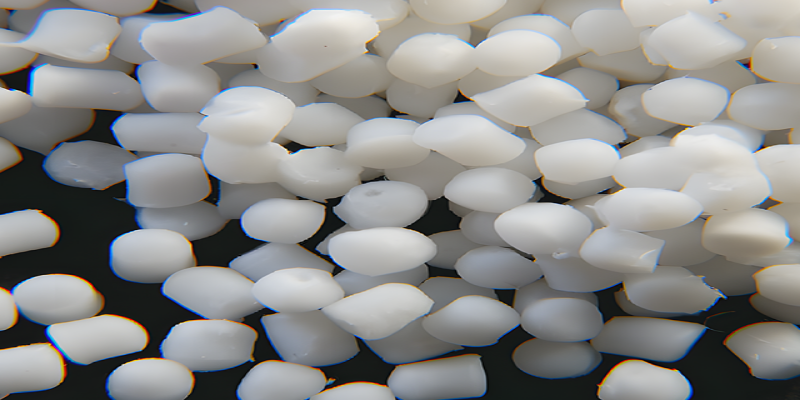
Many costly mistakes happen because selection is narrowed too early. Some buyers compare only raw material pricing, while others lock onto one headline property and ignore the operating environment. Another frequent error is choosing a formulation that performs well in theory but creates handling or production stability problems during scale-up. These are not minor oversights; they can affect scrap rate, product claims, and long-term customer satisfaction.
● choosing by material price alone
● treating one performance advantage as the only decision factor
● ignoring moisture, temperature, or chemical exposure in real service
● overlooking processing ease and production consistency
● focusing on short-term savings instead of lifetime value
Before approving a formulation, ask four commercial questions that keep the decision grounded in real use and real cost: what environment will the product face, which matters more between mechanical toughness and moisture stability, whether the process needs easier flow and handling for reliable output, and whether the true goal is the lowest upfront cost or the strongest long-term return.
Neither polyester polyol nor polyether polyol is always better. Polyester polyol fits tough, wear-heavy, and chemical-demanding uses, while polyether polyol suits moisture-prone, flexible, and long-life applications. Hengshui Xinfa Polyurethane Materials Co., Ltd. provides dependable polyol solutions with stable quality and practical support, helping customers choose materials that improve performance, processing, and long-term value.
A: Polyester polyol performs better in wear, heat, and solvent-heavy applications; polyether suits moisture, flexibility, and low temperatures.
A: Polyester polyol is better when strength, dimensional stability, and chemical resistance matter more than moisture exposure.
A: Avoid polyester polyol in humid or hydrolysis-prone environments where long-term flexibility and moisture stability are critical.

