


Views: 0 Author: Site Editor Publish Time: 2026-03-11 Origin: Site


Comparisons between polyurethane raw materials often start with a simple question: Polyester Polyol or polyether polyol—which one is better? The real answer is more practical than absolute. The choice depends on whether your project prioritizes mechanical strength, dimensional stability, insulation structure, flexibility, moisture resistance, or chemical durability. Understanding the differences between Polyester Polyol vs Polyether Polyol helps manufacturers align raw material selection with actual performance needs instead of relying on general assumptions.
Both polyester polyol and polyether polyol are widely used polyurethane raw materials. They may look similar in procurement lists, yet small formulation differences can significantly influence the final behavior of foam, coatings, or structural components.
Buyers often compare price first. However, focusing only on unit cost can lead to long-term inefficiencies if the selected material does not match the intended application. A slightly lower-priced polyol that lacks structural stability may cause performance issues, rework, or reduced product lifespan.
The comparison between Polyester Polyol vs Polyether Polyol matters because polyurethane is not a single material. It is a system whose performance is shaped by the backbone chemistry. The polyol component largely determines the mechanical, thermal, and durability characteristics of the final product.
For industries such as rigid insulation, cold chain logistics, and industrial equipment manufacturing, these distinctions are not theoretical. They influence structural integrity, energy efficiency, and long-term reliability.
Polyester polyol is commonly associated with higher mechanical strength and improved dimensional stability. It forms polyurethane structures that are relatively rigid and robust, making it suitable for structural applications.
Projects that require compressive strength and load-bearing capacity often rely on polyester-based systems. Rigid insulation boards, sandwich panels, and equipment housings must maintain their shape under pressure. Polyester polyol contributes to a tightly crosslinked polymer network that enhances structural rigidity.
In building panels and industrial enclosures, foam cores must resist deformation over time. Polyester polyol-based polyurethane systems support that requirement, making them suitable for applications where structural reliability is critical.
Industrial environments may expose materials to mechanical stress, temperature fluctuations, and occasional chemical contact. Polyester polyol-derived polyurethane systems often demonstrate favorable resistance to oils, fuels, and certain solvents. This makes them suitable for equipment insulation, pipelines, and protective housings.
Dimensional stability is particularly important in environments where temperature variations occur. Polyester polyol contributes to maintaining foam structure under these conditions, supporting consistent performance.
Hengshui Xinfa Polyurethane Materials Co., Ltd. focuses on developing polyester polyol grades designed for strength-oriented and industrial applications. Through research and development, Xinfa tailors molecular structure to align with these demanding use cases.
Polyether polyol is generally associated with flexibility, resilience, and improved moisture tolerance. In systems where cushioning, elasticity, or resistance to humid environments is required, polyether-based polyurethane may offer advantages.
Applications exposed to high humidity or water contact may benefit from the moisture resistance characteristics of polyether polyol systems. In certain foam products used in flexible applications, moisture stability can be a key performance requirement.
For example, cushioning foams and flexible materials may prioritize elasticity and resilience rather than compressive strength. In such cases, polyether polyol can be a practical option.
Not all polyurethane applications require rigidity. Flexible foams used in comfort products or shock absorption systems depend on elasticity. Polyether polyol contributes to a softer, more resilient structure in those contexts.
Understanding these differences clarifies that the comparison of Polyester Polyol vs Polyether Polyol is not about universal superiority. It is about alignment with specific application demands.
Insulation systems often require a balance of thermal performance and structural strength. Polyester polyol is frequently used in rigid foam insulation where compressive strength and dimensional stability are critical.
Polyether polyol may provide better moisture tolerance in environments where water exposure is continuous. However, for rigid insulation panels and structural foam cores, polyester polyol often offers advantages in maintaining mechanical integrity.
When evaluating insulation materials, manufacturers must consider not only thermal conductivity but also structural reliability. Foam that compresses or deforms under load can compromise insulation efficiency. Polyester polyol-based rigid foam supports both thermal and mechanical performance.
This distinction is particularly relevant for industries served by Hengshui Xinfa Polyurethane Materials Co., Ltd., including cold chain insulation and industrial panel manufacturing.
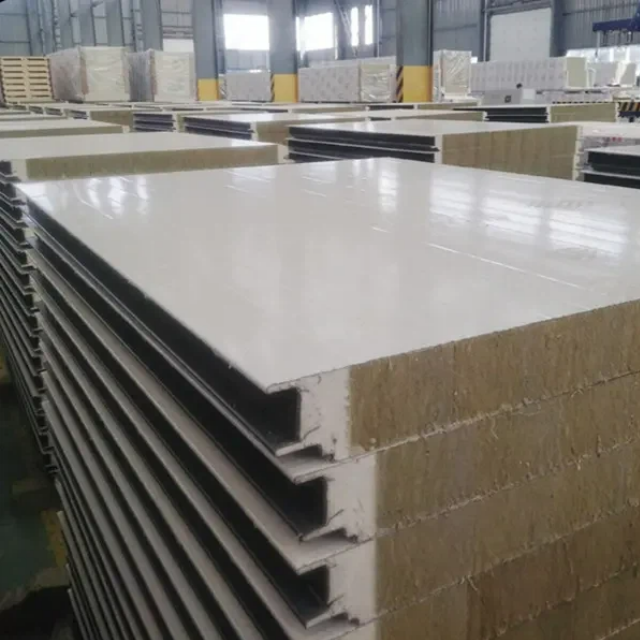
Chemical resistance and durability are critical in industrial applications. Polyester polyol-based polyurethane systems often demonstrate stronger resistance to oils, greases, and certain nonpolar solvents.
In equipment housings and industrial enclosures, exposure to lubricants or industrial chemicals may occur. Materials derived from polyester polyol can provide enhanced durability in such conditions.
Polyether polyol systems may be suitable in environments where flexibility and moisture resistance outweigh chemical exposure concerns. The correct selection depends on the working environment and performance priorities.
Durability is not only about resisting chemicals. It also involves maintaining structure over time. Polyester polyol contributes to a rigid network that resists long-term deformation, supporting consistent performance in load-bearing systems.
Cost comparison should extend beyond raw material price per ton. The more relevant question is total system cost and long-term performance value.
A polyol that does not match application requirements can lead to:
Reduced product lifespan
Increased maintenance
Performance instability
Reformulation expenses
In rigid insulation and industrial structural applications, polyester polyol may justify its selection through enhanced strength and durability. In flexible cushioning applications, polyether polyol may provide cost efficiency due to better elasticity performance.
Therefore, the answer to whether Polyester Polyol vs Polyether Polyol is more cost-effective depends entirely on how well the material aligns with the intended use.
Rigid foam insulation, cold chain panels, and structural enclosures typically prioritize mechanical strength, dimensional stability, and durability. In these applications, polyester polyol often aligns more closely with performance objectives.
Rigid insulation systems must support panel integrity, resist compression, and maintain long-term stability. Polyester polyol-based polyurethane structures help meet these requirements.
Cold chain logistics depend on consistent insulation performance under thermal cycling. Structural foam cores must remain stable to prevent energy loss. Polyester polyol contributes to this structural reliability.
Industrial equipment insulation and protective housings benefit from materials that combine strength with chemical resistance. Polyester polyol offers advantages in such demanding environments.
Comparison Point | Polyester Polyol | Polyether Polyol |
Mechanical strength | Typically stronger | Typically more flexible |
Chemical resistance | Often better | More limited in some cases |
Moisture resistance | Lower in many cases | Often better |
Best fit | Rigid / durability-focused uses | Flexibility / moisture-tolerant uses |
This comparison highlights that neither material is universally better. Each serves different technical priorities.
Hengshui Xinfa Polyurethane Materials Co., Ltd., established in 2010, specializes in research, development, production, and sales of polyester polyol and polyurethane materials. Located in the Salt Chemical Circular Economy Park in Jizhou District, Hebei Province, the company operates modern production workshops and a dedicated R&D center across a 25,000-square-meter facility.
Xinfa concentrates on polyester polyol because many industrial sectors prioritize strength, insulation stability, and chemical durability. The company’s product portfolio is designed to support rigid foam insulation, cold chain panels, and industrial structural applications.
With an annual production capacity of 50,000 tons, Xinfa ensures stable supply and consistent batch quality. Custom formulations allow performance alignment with specific application requirements rather than relying on generic solutions.
By focusing on polyester polyol for performance-driven use cases, Xinfa positions itself as a supplier of reliable polyurethane raw materials for demanding industrial environments.
The question of whether Polyester Polyol is better than polyether polyol depends on application priorities. For projects that value structural strength, dimensional stability, and resistance in industrial or insulation systems, polyester-based solutions often provide strong advantages. When supported by careful formulation and consistent production, this polyurethane structural polyol becomes a dependable foundation for rigid foam and industrial applications. Hengshui Xinfa Polyurethane Materials Co., Ltd. continues to develop and supply high-quality polyester polyol tailored to these performance-focused sectors. Contact us to explore how our products can support your insulation or structural polyurethane systems.
1. What is the main difference between Polyester Polyol vs Polyether Polyol?
The main difference lies in performance characteristics. Polyester polyol generally offers higher mechanical strength and chemical resistance, while polyether polyol provides better flexibility and moisture tolerance.
2. Is polyester polyol stronger than polyether polyol?
In many rigid and structural applications, polyester polyol-based systems demonstrate higher compressive strength and dimensional stability.
3. Which polyol is better for rigid foam insulation?
Rigid foam insulation often benefits from polyester polyol due to its strength and structural reliability.
4. Does polyester polyol cost more than polyether polyol?
Cost depends on formulation and grade. Total system value should be evaluated based on performance requirements rather than price alone.


