
English


Views: 0 Author: Site Editor Publish Time: 2026-04-09 Origin: Site


Polyurethane performance depends on one key choice: where each polyol works best. Many buyers ask not what polyester polyol is, but when it should beat polyether polyol. In this article, you will learn the three key use areas, the strengths behind each option, and how to choose more confidently.
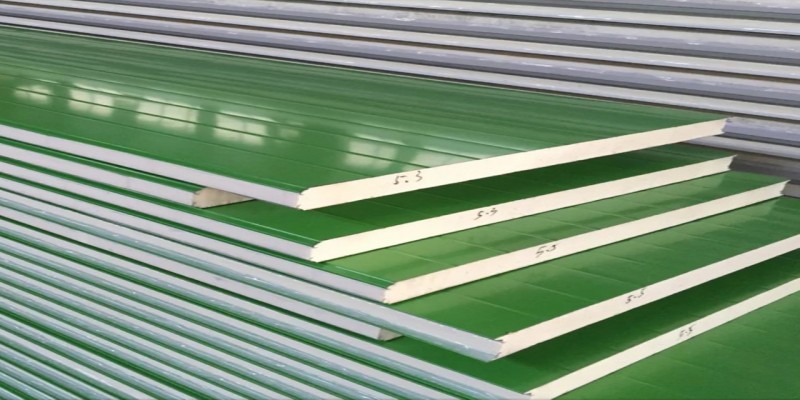
Rigid polyurethane systems matter most when the product must do more than simply fill space. In insulation-driven applications, the foam has to combine thermal efficiency with shape retention, panel integrity, and reliable bonding inside a finished structure. That is why rigid systems are widely used in building envelopes, appliance insulation, and temperature-controlled equipment rather than in comfort products or high-flex parts.
Application area | What the system must deliver |
Insulation boards | Low thermal conductivity and dimensional stability |
Sandwich panels | Structural support plus firm adhesion to facings |
Refrigerator and freezer insulation | Consistent thermal barrier in compact enclosed spaces |
Cold-room and cold-chain equipment | Long-term insulation under controlled temperature service |
Pipe insulation | Heat-loss reduction with durable foam structure |
These applications share the same requirement: the polyurethane must remain stable while helping the final product control heat flow. In insulation boards and sandwich panels, the foam core is part of the product’s structural logic. In refrigerators, freezers, and cold-chain equipment, the foam must insulate efficiently inside confined cavities while keeping the system dimensionally stable over time. Pipe insulation adds another layer of performance because the material has to reduce heat loss while remaining mechanically reliable in service.
In rigid foam formulations, polyester polyol is often selected because it helps create a tougher, more dimensionally stable polyurethane structure. Compared with softer polyol systems used elsewhere, it is better suited to applications where compressive strength and structural integrity directly affect product performance. This matters in panels and insulated cavities, where foam is expected to hold its shape, support surfaces, and stay bonded as the product ages.
Another practical advantage is how well polyester-polyol-based rigid foam fits thermal insulation products that must remain mechanically reliable, not just thermally efficient. In panel systems, good adhesion to metal or composite facings supports overall rigidity. In appliance insulation, stable foam helps maintain internal geometry and long-term insulation performance. In pipe and cold-room applications, durability matters because the foam is part of a working system exposed to service demands over time rather than a one-time molded part.
This use should be treated as a structural insulation topic, not as a general polyurethane discussion. The decision criteria are fundamentally different from those used in flexible foam, coatings, or elastomer applications. Here, buyers and formulators are not chasing softness, rebound, surface finish, or wear resistance. They are choosing a system that must help the final product keep heat transfer low while preserving shape and bonded structure across long service cycles.
The most useful way to frame this application is through its engineering priorities: insulation efficiency comes first, panel integrity comes second, and long-term shape retention follows closely behind. Once those priorities are clear, rigid foam selection becomes much easier because the material is being judged by structural insulation performance rather than by comfort or dynamic mechanical behavior.
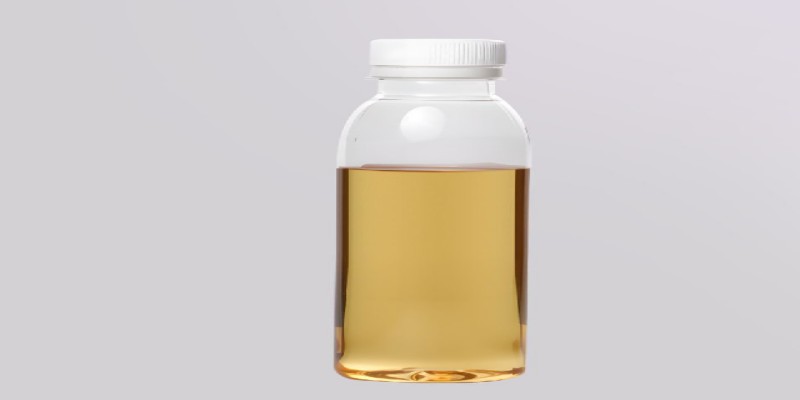
Among the major downstream uses of polyester polyol, CASE applications and polyurethane elastomers stand out because performance is judged by endurance rather than by softness or insulation value. In this category, the polyurethane part is expected to keep working under friction, repeated load, oil exposure, or harsh industrial contact. That is why polyester-polyol-based systems are commonly associated with industrial rollers and wheels, conveyor parts, mining screens, liners, seals, gaskets, footwear soles, and selected industrial adhesives or protective coatings. These are not decorative or comfort-led products. They are functional components that must hold shape, resist damage, and continue performing in demanding service environments.
Product type | What the polyurethane must resist |
Industrial rollers and wheels | Pressure, rolling wear, deformation, long duty cycles |
Conveyor components | Abrasion, impact, repetitive movement |
Mining screens and liners | Sharp particles, tearing, aggressive wear |
Seals and gaskets | Compression, oils, chemicals, mechanical cycling |
Footwear soles | Repeated flexing, surface wear, load-bearing contact |
Industrial adhesives and protective coatings | Chemical attack, substrate stress, long-term durability |
This category matters because many industrial polyurethane failures happen at the surface or at stress concentration points. A wheel that flattens too fast, a liner that tears, or a seal that degrades after oil exposure can turn a material decision into a costly maintenance problem. In these cases, polyol choice is not abstract chemistry. It directly affects wear life, replacement intervals, and process reliability in the field.
The reason polyester polyol is so widely valued here is tied to the balance of properties it can bring into polyurethane elastomers and related CASE systems. Compared with more comfort-oriented polyol choices, polyester-based systems are often selected when the finished part needs greater tensile strength, better tear resistance, and stronger abrasion performance. In practical terms, this means the polyurethane can tolerate cutting forces, surface friction, and repeated stress more effectively, which is exactly what industrial wear parts and technical soles demand.
Chemical exposure is another major factor. Many industrial environments involve contact with oils, greases, fuels, and nonpolar solvents, and polyester-polyol-based polyurethane generally performs better in these conditions than softer systems optimized mainly for flexibility. This is one reason polyester polyol appears so often in heavy-duty elastomer applications, especially where service life matters as much as initial mechanical strength. The material is not being chosen because it is broadly versatile in every direction; it is being chosen because it remains reliable under a narrower but tougher set of operating conditions.
A useful way to understand this use category is to look at the kinds of stress these products face during actual operation:
● repeated compressive or rolling loads
● sliding or particle-driven abrasion
● exposure to lubricants, fuels, or processing chemicals
● cyclical mechanical deformation over long production runs
● impact or contact damage in industrial handling environments
These service conditions explain why polyester polyol continues to matter in polyurethane formulation even when other polyol types may offer easier processing or better moisture tolerance.
This application group should be kept separate from rigid foam and flexible foam because the selection logic is different from the start. Rigid foam is mainly about insulation efficiency, dimensional retention, and structural support inside boards, panels, or temperature-control systems. Flexible foam is mainly about softness, resilience, cushioning, and comfort. CASE applications and polyurethane elastomers sit in another performance space entirely: they are driven by mechanical toughness, surface durability, and chemical resistance under working stress.
That difference matters for both technical clarity and specification decisions. When buyers search this use area, they are usually trying to solve a durability problem: a part wears too fast, tears too easily, fails under load, or degrades after chemical contact. For that reason, the discussion should remain centered on industrial service conditions, contact wear, and long-term functional reliability rather than drifting into insulation metrics or comfort-foam language.
In flexible and semi-rigid polyurethane systems, material choice is usually driven by how the finished part feels and recovers in use. That makes polyether polyol the more common starting point for applications where cushioning, resilience, and durability under everyday deformation matter more than maximum hardness or structural rigidity.
Application | Main performance priority |
Furniture cushioning | Soft support with rebound and everyday comfort |
Mattresses | Pressure response, resilience, and long-term cushioning |
Automotive seating | Comfort combined with fatigue resistance |
Armrests and headrests | Soft touch with shape retention |
Acoustic insulation parts | Sound absorption with stable foam structure |
Technical semi-rigid foam components | Controlled support with moderate flexibility |
These foam products are expected to perform differently from rigid panels or industrial elastomers. A mattress has to recover after repeated compression. A seat cushion must feel supportive without becoming harsh. Armrests and headrests need a soft-touch surface and steady shape retention. Acoustic parts and technical semi-rigid components add functional requirements, but the overall material direction still favors flexibility and controlled rebound rather than pure hardness.
Polyether polyol is widely used in these foam categories because its property profile aligns well with comfort-oriented polyurethane production. It generally offers better flexibility and resilience, which helps foams recover after repeated compression instead of becoming harsh or brittle. It also provides stronger hydrolytic stability than polyester polyol, an important advantage in applications exposed to humidity, variable service environments, or long product life cycles. That added resistance to moisture-related degradation is one reason polyether polyol remains dominant in mainstream flexible foams.
Processing is another practical reason for its popularity. Lower viscosity can make metering, mixing, and foam formation easier to control in large-scale production, especially in comfort foam systems where consistency matters as much as chemistry. For mattress blocks, molded seating parts, and semi-rigid interior components, this processing behavior supports repeatable cell structure and reliable manufacturing throughput. In other words, polyether polyol is not just a performance choice; it is also a production-friendly option for manufacturers balancing quality, efficiency, and end-user comfort.
Even in this use category, polyester polyol does not disappear completely. Formulators may still introduce it into selected flexible or semi-rigid systems when the part needs more than softness alone. This usually happens when surface toughness becomes more important, when the foam must provide additional mechanical support, or when the product sits between comfort foam and technical foam in performance requirements. Automotive interior parts, integral-skin-style components, and certain technical cushioning products may benefit from that kind of balance.
A practical rule is that polyether polyol leads when comfort, rebound, and moisture resistance are the main goals, while polyester polyol enters the formulation when durability targets begin to rise and the foam needs a more technical performance profile.
The most reliable way to choose between polyester polyol and polyether polyol is to start with the service environment rather than the raw material name. Across the three major use areas—rigid insulation systems, CASE and elastomer applications, and flexible or semi-rigid foams—the winning material is usually the one that matches the stresses the final product will actually face. A formulation that works well in a mattress or seat cushion may fail in an industrial wheel, while a system designed for rigid insulation may be unnecessarily hard or difficult to process in a comfort-oriented foam.
End-use priority | More suitable polyol direction |
Frequent moisture or humidity exposure | Polyether polyol |
High abrasion and repeated contact wear | Polyester polyol |
Oil, fuel, or solvent contact | Polyester polyol |
Structural support and dimensional retention | Polyester polyol |
Comfort, softness, and rebound | Polyether polyol |
This is why selection should always begin with a direct question: what will damage or limit the finished polyurethane part first? If the risk is hydrolysis, softness loss, or poor rebound, polyether polyol usually deserves priority. If the risk is tearing, surface wear, chemical attack, or structural deformation, polyester polyol is often the stronger candidate.
Performance on paper is only part of the decision. In actual production, the polyol must also fit the plant’s process window. Polyester polyol systems can bring higher viscosity or a narrower processing tolerance in some applications, while polyether polyol is often easier to handle in large-scale foam production because of its lower viscosity and broader processing ease. That difference affects metering precision, mixing quality, foam consistency, and the repeatability of finished parts.
Manufacturers should therefore evaluate processing as a production issue, not a secondary detail. Viscosity handling influences pumping and temperature control. Metering and mixing capability affect ratio accuracy. Moisture control matters because polyurethane chemistry is sensitive to water contamination. Formulation stability determines whether performance stays consistent from batch to batch. Production consistency targets matter most when the same foam or elastomer part must be made repeatedly at commercial scale. A good polyol choice is one that the factory can run reliably, not one that looks ideal only in theory.
For most buyers and formulators, the selection logic can stay straightforward. Choose polyester polyol when the specification is led by strength, abrasion resistance, adhesion, chemical resistance, or structural durability. Choose polyether polyol when flexibility, hydrolytic stability, softer foam behavior, and easier processing matter more. Blended systems make sense only when a single-polyol route cannot deliver the required balance between durability, comfort, and manufacturing stability in one clean formulation.
The three core uses are clear: rigid foam and insulation systems, CASE and durable elastomer applications, and flexible or semi-rigid foam products. Polyester polyol is usually the stronger choice for structural strength, wear resistance, and chemical durability, while polyether polyol fits comfort-focused and moisture-sensitive foam systems better. Hengshui Xinfa Polyurethane Materials Co., Ltd. can support these applications with stable polyol solutions, practical product matching, and technical service that helps manufacturers choose materials according to end use, process needs, and long-term performance goals.
A: Use polyester polyol for rigid insulation, CASE, and elastomer parts needing strength, abrasion resistance, and chemical durability.
A: No. Polyester polyol is usually secondary in comfort foams because polyether systems offer better softness, resilience, and hydrolysis resistance.
A: Select polyester polyol or polyether by moisture exposure, load, chemicals, and processing limits; end-use conditions should drive specification.

