Introduction
Why do some polyurethane materials last longer than others? The answer often lies in the type of polyol used. Polyurethane is widely used in foams, coatings, adhesives, elastomers, and insulation materials across modern industries. Among many polyol families, polyether polyols and Polyester Polyol dominate industrial formulations. Although both serve the same chemical role, their molecular structures lead to important differences in strength, flexibility, chemical resistance, and processing behavior. In this article, you will learn how these differences influence polyurethane performance and material selection.
The Core Difference Between Polyether and Polyester Polyol
Molecular Structure: Ether Bonds vs Ester Bonds
The most fundamental difference lies in molecular structure. Polyether polyols contain ether bonds arranged along flexible chains. These bonds create a molecular structure that bends easily and moves freely. In contrast, polyester polyol contains ester bonds formed between acids and alcohols. These ester groups are more polar and attract neighboring molecules more strongly. As a result, polyurethane systems based on polyester polyol often show stronger intermolecular forces, higher hardness potential, and improved structural cohesion.
How Polymerization Methods Create Different Polyol Families
Polyether polyols form through polymerization of epoxides such as propylene oxide or ethylene oxide. An initiator like glycerol starts the chain growth reaction. The process creates long chains with repeating ether segments. By contrast, polyester polyol forms through condensation reactions between diols and dicarboxylic acids. During the reaction, small molecules such as water are released. This method produces chains containing ester groups, which significantly influence polarity, viscosity, and mechanical behavior in polyurethane materials.
How Structure Directly Shapes Polyurethane Performance
Polymer structure strongly influences how polyurethane behaves during use. Flexible ether chains allow materials to stretch, compress, and recover easily. This explains why polyether systems dominate flexible foam production. Ester chains behave differently. Their polarity increases cohesion and density in the polymer matrix. Polyurethane materials derived from polyester polyol therefore tend to deliver higher tensile strength and better abrasion resistance. Structural chemistry directly determines the balance between flexibility and structural strength.
Property Comparison: Polyether vs Polyester Polyol
Mechanical Strength and Wear Resistance of Polyester Polyol
Polyurethane materials based on polyester polyol are widely recognized for their mechanical robustness. The polar ester groups increase intermolecular attraction, which strengthens the polymer network. This results in higher tensile strength, improved tear resistance, and excellent abrasion durability. In industrial environments where materials experience friction or mechanical stress, these properties are extremely valuable. Elastomer wheels, conveyor rollers, and protective coatings often rely on polyester polyol formulations to maintain structural integrity during heavy use.
Flexibility and Resilience Advantages of Polyether Polyols
Polyether polyols are known for elasticity and resilience. Their flexible ether bonds allow the polymer chain to stretch and return quickly to its original shape. This property produces polyurethane materials with high rebound and cushioning ability. Because of this behavior, polyether polyols dominate comfort-focused products such as mattresses, furniture cushions, and automotive seat foam. Their ability to absorb and release energy efficiently improves comfort, durability, and fatigue resistance during repeated compression cycles.
Thermal and Low-Temperature Performance Differences
Temperature conditions also influence polyol selection. Polyether-based polyurethane maintains flexibility in cold environments. Its molecular chains remain mobile even at lower temperatures. Polyester polyol performs differently. The stronger intermolecular interactions help polyurethane retain structural stability at higher temperatures. These characteristics make polyester systems suitable for industrial environments where heat exposure occurs during operation or processing.
Chemical and Environmental Resistance Differences
Moisture and Hydrolysis Resistance
Polyether polyols are well known for hydrolytic stability. Ether bonds resist chemical attack from water molecules, allowing the polymer to maintain performance in humid or wet environments. Because of this stability, polyether-based polyurethane is often used in applications exposed to moisture, such as outdoor insulation systems, marine components, or construction materials. Long-term durability in humid conditions makes polyether systems highly reliable for infrastructure and refrigeration insulation.
Oil, Fuel, and Solvent Resistance of Polyester Polyol Systems
In many industrial environments, polyurethane materials frequently contact lubricating oils, fuels, and organic solvents. The polar ester groups present in polyester polyol create a dense polyurethane network that helps resist swelling and chemical attack. The following structured table summarizes the chemical basis, technical indicators, typical performance ranges, and practical engineering considerations related to oil and solvent resistance.
| Category | Technical Explanation | Typical Technical Indicators | Industrial Applications | Engineering Considerations |
| Chemical structure basis | Polyester polyol contains polar ester groups (–COO–) that increase intermolecular attraction and polymer density | Higher polarity compared with polyether systems | Polyurethane elastomers and coatings | Polar structure helps limit solvent penetration |
| Polymer network structure | Ester groups strengthen chain interactions and increase packing density | Higher crosslink density in many PU elastomer systems | Structural polyurethane elastomers | Proper NCO/OH ratio required to maintain network integrity |
| Mineral oil resistance | Polyester-based PU shows strong resistance to lubricating and hydraulic oils | Volume swell typically <5% after ASTM D471 oil immersion tests | Hydraulic seals, industrial rollers | Temperature may influence swelling rate |
| Fuel resistance | Good stability in diesel and gasoline environments | Volume change typically 2–8% depending on formulation and fuel type (ASTM D471) | Automotive fuel system components | Aromatic fuels may cause slightly higher swelling |
| Organic solvent stability | Strong resistance to many aliphatic solvents and moderate resistance to some aromatic solvents | Solvent absorption generally 3–10% depending on solvent polarity | Protective coatings, industrial rollers | Compatibility testing recommended for strong polar solvents |
| Mechanical property retention | Polyester PU maintains strength and hardness in oil environments | Tensile strength retention 80–95% after 100h oil immersion | Mechanical seals, machine parts | Long-term exposure requires thermal evaluation |
| Hardness capability | Polyester-based polyurethane can achieve a wide hardness range | Typical range Shore A 80 – Shore D 75 | Wheels, rollers, wear parts | High hardness requires optimized formulation |
| Abrasion resistance | Dense polymer network improves wear resistance under sliding contact | DIN abrasion loss typically 30–80 mm³ | Conveyor rollers, mining screens | Heavy loads may require reinforced systems |
| Dimensional stability | Resistance to swelling helps maintain shape under chemical exposure | Volume change generally <8% in hydrocarbon oils | Precision industrial components | Long exposure periods should be evaluated |
| Temperature performance | Polyester PU maintains chemical stability under moderate industrial temperatures | Operating range typically −30°C to 120°C | Industrial seals and coatings | Thermal aging should be monitored in hot oil systems |
| Typical industrial components | Combination of strength, abrasion resistance, and chemical stability | Performance varies by formulation | Seals, scraper blades, rollers, industrial wheels | Selection depends on chemical exposure profile |
| CASE system performance | Polyester polyol improves adhesion and chemical resistance in polyurethane CASE systems | Adhesion strength often >10 MPa depending on substrate and formulation | Industrial coatings, structural adhesives | Substrate compatibility should be verified |
Tip:When designing polyurethane components exposed to oils or fuels, engineers should evaluate chemical polarity, operating temperature, and mechanical load together to select the most suitable polyester polyol formulation for long-term durability.
Environmental Durability in Real Operating Conditions
Real industrial environments involve multiple stresses including heat, moisture, chemicals, and mechanical load. Polyether polyols perform exceptionally well in humid climates and flexible components. Meanwhile, polyester polyol excels in high-strength industrial parts that require chemical stability and structural integrity. Engineers often evaluate these environmental conditions carefully before selecting the appropriate polyurethane chemistry.
| Performance Aspect | Polyester Polyol System | Polyether Polyol System |
| Mechanical strength | High | Medium |
| Flexibility | Moderate | High |
| Oil resistance | Excellent | Moderate |
| Moisture stability | Good | Excellent |
| Abrasion resistance | High | Medium |
Processing and Manufacturing Characteristics
Viscosity and Processing Behavior of Polyester Polyol
The viscosity of polyester polyol is strongly influenced by molecular weight and ester group polarity. Higher intermolecular attraction increases resistance to flow, which affects mixing efficiency and reaction control during polyurethane production. In industrial processing, manufacturers often regulate temperature and catalyst concentration to maintain stable viscosity levels. Proper control improves dispersion of isocyanates and additives, allowing the formation of uniform polymer networks. This processing stability is particularly important in casting elastomers, coatings, and structural polyurethane components.
Flowability and Equipment Compatibility of Polyether Polyols
Polyether polyols are valued for their relatively low viscosity and consistent rheological behavior during polyurethane processing. These characteristics enable efficient pumping, metering, and mixing in high-pressure foaming equipment. In large-scale foam production lines, stable flow properties help maintain uniform reaction rates and foam expansion. Manufacturers often select polyether polyols with controlled molecular weight distribution to optimize foam cell formation, improve processing efficiency, and ensure repeatable product quality across automated production systems.
Impact on Production Efficiency and Process Stability
Processing characteristics directly influence manufacturing efficiency and product consistency. Polyether polyols support high-speed foaming operations because their flowability improves mixing uniformity and reduces processing fluctuations. Polyester polyol systems, while more viscous, enable the production of dense polyurethane materials with high structural strength. Engineers typically balance viscosity, reaction kinetics, and equipment capability when designing formulations. Proper material selection improves foam cell stability, reduces defects, and ensures reliable large-scale polyurethane production.
Application Differences Between Polyether and Polyester Polyol
Foam Applications Dominated by Polyether Polyols
Flexible polyurethane foam production relies heavily on polyether polyols because their molecular chains provide high resilience and stable cell formation during foaming. In high-resilience seating foams, carefully controlled polyether polyol molecular weight helps achieve rebound rates above 60% and excellent compression recovery. These characteristics support comfort and long service life in automotive seating and bedding products. Polyether polyols also enable uniform cell structure in insulation foams, which improves thermal conductivity control and dimensional stability during large-scale manufacturing processes.
High-Performance Elastomers Using Polyester Polyol
Polyurethane elastomers formulated with polyester polyol are widely used where durability and wear resistance are critical. The dense molecular network created by ester groups improves tensile strength and sliding abrasion resistance, making these materials suitable for industrial wheels, rollers, and mechanical components. Engineers often optimize hardness and crosslink density to balance toughness and load capacity. In mining equipment, conveyor systems, and heavy machinery, polyester-based polyurethane elastomers help maintain structural stability and extend component service life.
CASE Applications Where Polyester Polyol Excels
In CASE systems—coatings, adhesives, sealants, and elastomers—polyester polyol enhances both adhesion and mechanical durability. The polar ester groups improve wetting and bonding to substrates such as steel, aluminum, concrete, and engineered plastics. In industrial coatings, polyester-based polyurethane provides higher hardness and scratch resistance, which protects equipment surfaces from wear and chemical exposure. Adhesive formulations also benefit from increased cohesive strength, allowing structural bonding in flooring systems, laminated materials, and industrial assembly applications.
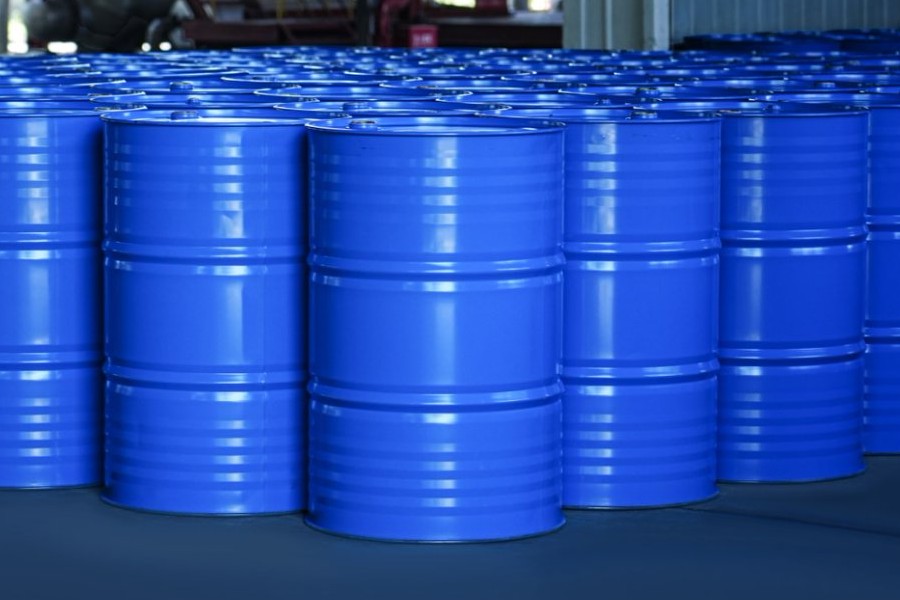
How to Choose Between Polyether and Polyester Polyol
Selecting Polyester Polyol for Strength and Chemical Resistance
When selecting polyurethane materials for heavy-duty environments, engineers often prioritize mechanical strength and chemical durability. Polyester polyol systems support these goals through dense molecular structures that improve load-bearing capacity and abrasion resistance. In industrial elastomers and protective coatings, polyester-based polyurethane maintains structural stability under continuous stress and contact with oils or solvents. Formulators typically adjust hydroxyl value and functionality to control crosslink density, allowing the material to achieve higher hardness, improved wear resistance, and reliable long-term performance in demanding mechanical applications.
Selecting Polyether Polyols for Moisture Stability and Flexibility
Polyether polyols are widely selected when applications require flexibility and environmental stability in humid conditions. The ether linkage within their molecular chain resists hydrolytic degradation, allowing polyurethane products to maintain elasticity during prolonged exposure to moisture. This characteristic makes polyether systems particularly suitable for flexible foams, insulation panels, and cushioning materials used in construction, appliances, and transportation. By controlling molecular weight and functionality, manufacturers can tailor foam resilience, compression recovery, and thermal insulation performance for long-term service reliability.
Matching Polyol Chemistry to End-Use Performance Requirements
Choosing the correct polyol requires evaluating both performance targets and operating conditions. Engineers typically analyze factors such as temperature range, dynamic loading, chemical exposure, and expected service life. Polyester polyol formulations often support structural components where abrasion resistance and chemical durability are essential. Polyether polyols are more suitable for flexible systems exposed to humidity or repetitive compression. Proper material selection also involves balancing viscosity, processing compatibility, and curing behavior to ensure consistent polyurethane production and optimized product performance.
Why Polyester Polyol Remains Critical in High-Performance Polyurethane
Structural Integrity Advantages of Polyester Polyol-Based Systems
In polyurethane elastomer design, structural integrity determines how well a material resists deformation, load, and wear over time. Polyester polyol contributes to dense molecular packing and strong intermolecular bonding through ester groups. These features help polyurethane maintain mechanical strength, dimensional stability, and long service life in demanding industrial environments.
| Category | Technical Explanation | Typical Technical Indicators | Industrial Applications | Engineering Considerations |
| Molecular bonding mechanism | Ester groups (–COO–) increase intermolecular polarity and cohesion, producing dense polymer structures | Higher cohesive energy density compared with polyether PU | Structural polyurethane elastomers | Molecular polarity increases mechanical stability |
| Tensile strength capability | Polyester-based PU elastomers exhibit strong load-bearing capacity | 20–55 MPa tensile strength depending on formulation | Industrial wheels, rollers | Select proper molecular weight polyol for load conditions |
| Tear resistance | Strong intermolecular bonding improves resistance to crack propagation | 50–120 kN/m tear strength (typical PU elastomer range) | Conveyor belts, scraper blades | Reinforcement fillers may further improve resistance |
| Abrasion resistance | Dense network structure resists surface wear during sliding contact | DIN abrasion loss 30–80 mm³ | Mining equipment, material handling rollers | Sliding vs impact wear conditions should be evaluated |
| Hardness range | Polyester polyol systems support a wide hardness spectrum for structural components | Shore A 80 – Shore D 75 | Heavy-duty industrial parts | Hardness selection must balance toughness and flexibility |
| Load-bearing capacity | Polyurethane elastomers can support repeated compressive loads | Compression set 20–35% at 70°C / 22h (ASTM D395 typical range) | Mechanical supports, industrial buffers | Proper crosslink density needed for high loads |
| Fatigue resistance | Dense structure allows resistance to cyclic mechanical stress | Fatigue life depends on formulation but typically higher than many rubber systems | Dynamic machine parts | Dynamic loading conditions must be simulated |
| Dimensional stability | Strong molecular packing limits deformation during long service cycles | Elongation at break 300–600% with high structural retention | Mechanical seals, molded elastomers | Processing temperature affects final properties |
| Heat resistance in structure | Polyester systems retain strength at moderately elevated temperatures | Thermal aging strength retention 70–85% after 100°C / 168h | Industrial coatings, elastomer components | Long-term heat exposure requires stabilizers |
| Coating structural performance | Polyester polyol increases film hardness and adhesion | Pencil hardness H–3H typical for PU coatings | Protective industrial coatings | Surface preparation critical for adhesion |
| Adhesion capability | Ester groups increase bonding strength to substrates | Adhesion strength 8–15 MPa depending on substrate and system | Adhesives, structural sealants | Substrate compatibility testing recommended |
| Typical industrial sectors | Structural PU materials widely used where durability is critical | Performance depends on polyol molecular weight and isocyanate index | Mining, automotive, machinery | Material selection should match mechanical load profile |
Tip:For components exposed to heavy mechanical loads, selecting a polyester polyol system with optimized crosslink density and hardness can significantly improve long-term structural stability and wear resistance in polyurethane elastomers.
Adhesion and Cohesive Strength Benefits in Industrial Materials
Adhesion performance in polyurethane systems depends heavily on molecular polarity and interfacial compatibility. Polyester polyol introduces polar ester groups that enhance intermolecular attraction and improve wetting on metal, wood, and composite surfaces. This promotes stronger interfacial bonding and cohesive strength within the cured polymer network. In flooring adhesives and industrial coatings, polyester-based polyurethane often achieves high shear strength and long-term bonding stability. Engineers frequently optimize hydroxyl value and molecular weight to balance adhesion strength, curing speed, and coating durability in demanding structural applications.
Expanding Industrial Demand for Polyester Polyol Formulations
Industrial material design increasingly focuses on durability, mechanical reliability, and chemical stability. Polyester polyol supports these requirements by enabling polyurethane systems with high tensile strength, wear resistance, and dimensional stability. In sectors such as transportation, mining equipment, and infrastructure coatings, these properties help extend service life and reduce maintenance cycles. Modern formulations also integrate tailored polyester polyols with controlled molecular weight and functionality, allowing manufacturers to engineer polyurethane elastomers, coatings, and adhesives that meet precise mechanical and environmental performance requirements.
Conclusion
Polyether polyols and Polyester Polyol are key materials in polyurethane systems. Their molecular structures determine flexibility, strength, chemical resistance, and processing behavior. Polyether polyols support flexible foams and moisture-stable materials, while Polyester Polyol enables strong, abrasion-resistant elastomers, coatings, and adhesives. Choosing the right polyol ensures reliable product performance and long service life. Hengshui Xinfa Polyurethane Materials Co., Ltd. provides high-quality Polyester Polyol solutions with stable performance, consistent production quality, and professional support for industrial polyurethane applications.
FAQ
Q: What is the main difference between polyether and Polyester Polyol?
A: The key difference is structure. Polyester Polyol contains ester bonds that increase strength and chemical resistance in polyurethane materials.
Q: Why is Polyester Polyol used in industrial polyurethane products?
A: Polyester Polyol provides high mechanical strength, abrasion resistance, and oil resistance for durable industrial polyurethane components.
Q: Which applications commonly use Polyester Polyol?
A: Polyester Polyol is widely used in elastomers, coatings, adhesives, sealants, rollers, and industrial wheels.
Q: Is Polyester Polyol more expensive than polyether polyols?
A: Polyester Polyol can cost slightly more due to stronger performance and durability in demanding industrial environments.
Q: How do engineers choose between polyether and Polyester Polyol?
A: Engineers choose Polyester Polyol for strength and chemicals, while polyether polyols are selected for flexibility and moisture stability.


