


Views: 0 Author: Site Editor Publish Time: 2026-03-05 Origin: Site


Why do modern materials last longer and perform better under stress? One key reason is Polyester Polyol, a vital raw material in polyurethane chemistry. It reacts with isocyanates to form strong polymer structures used in many industries. Manufacturers rely on Polyester Polyol to produce materials with durability, chemical resistance, and mechanical strength. You can find it in foams, coatings, adhesives, sealants, and elastomers used in construction, automotive parts, and industrial equipment. In this article, you will learn what Polyester Polyol is used for and why it plays such an important role in modern manufacturing.
Flexible polyurethane foam is one of the largest uses of Polyester Polyol. Manufacturers use it to produce cushioning materials for furniture, mattresses, and automotive seating. The presence of Polyester Polyol in the formulation improves the foam’s durability and load-bearing capacity. As a result, seats remain comfortable while resisting long-term deformation.
Automotive manufacturers also rely on Polyester Polyol-based foam to improve comfort and vibration absorption. The foam supports passengers while maintaining structural resilience under repeated pressure. In modern furniture and vehicle design, these properties help extend product lifespan while maintaining performance.
Rigid polyurethane foam is widely used for thermal insulation. Polyester Polyol plays a central role in producing these materials because it contributes strength and thermal stability to the foam structure. Construction companies use rigid polyurethane panels to reduce heat loss in buildings and improve energy efficiency.
Refrigeration equipment also depends on insulation foam made with Polyester Polyol. Refrigerators, cold storage facilities, and transport containers rely on this material to maintain controlled temperatures. Its dense cellular structure traps air effectively, reducing heat transfer and improving long-term insulation performance.
Microcellular polyurethane foams are engineered to combine strength with reduced weight. Polyester Polyol enables the creation of tightly controlled cell structures that improve mechanical performance. Manufacturers use these foams in industrial components, protective equipment, and consumer goods where structural stability matters.
Because Polyester Polyol contributes strong intermolecular bonding, these foams resist compression and mechanical fatigue. This makes them suitable for applications that require consistent performance under repeated use. The balance between light weight and structural strength also supports product innovation in transportation and electronics.
Spray polyurethane foam has become a popular insulation method in construction. Polyester Polyol is used in spray foam formulations that expand quickly and fill cavities in walls, roofs, and foundations. Once cured, the foam forms a continuous insulation barrier that improves thermal efficiency. Contractors value spray foam systems because they reduce air leakage while providing structural reinforcement. Polyester Polyol contributes durability and stability to the cured foam. This ensures that the insulation maintains performance over many years, even under changing environmental conditions.
In composite polyurethane systems, Polyester Polyol typically functions as the soft segment that determines flexibility, toughness, and chemical resistance. By adjusting molecular weight, hydroxyl value, and formulation ratios, engineers can tailor polyurethane materials for demanding industrial applications. The structured overview below highlights key applications, formulation parameters, and performance indicators commonly associated with Polyester Polyol–based composite polyurethane systems.
| Application Area | Typical Composite Material Form | Common Polyester Polyol Type | Key Technical Indicators (Typical Range) | Performance Contribution | Process & Design Considerations |
|---|---|---|---|---|---|
| Industrial rollers and conveyor systems | Cast polyurethane elastomers | Adipate-based Polyester Polyol | Molecular weight: 1000–3000 g/mol; Hydroxyl value: 40–120 mg KOH/g; Hardness: 70–95 Shore A | High abrasion resistance, excellent tear strength, fatigue durability | Maintain NCO/OH ratio around 1.00–1.05 to optimize mechanical performance |
| Conveyor belt scrapers and mining components | High-strength polyurethane elastomers | Polycaprolactone Polyester Polyol | Molecular weight: 1000–2000 g/mol; Tensile strength: 30–50 MPa; Elongation at break: 300–600% | Outstanding wear resistance, oil resistance, impact durability | Often paired with MDI systems to enhance toughness and abrasion resistance |
| Structural composite foams | Microcellular or structural PU foam | Aromatic Polyester Polyol | Hydroxyl value: 200–400 mg KOH/g; Density: 30–200 kg/m³; Compressive strength: 150–300 kPa | High rigidity, structural integrity, dimensional stability | Catalyst and blowing agent ratios must be precisely controlled during foaming |
| Mechanical cushioning components | Reinforced polyurethane elastomers | Aliphatic Polyester Polyol | Hardness: 80–98 Shore A; DIN abrasion loss: <120 mm³ | Strong impact absorption, vibration damping, long wear life | Prepolymer viscosity control improves casting flow and mold filling |
| Industrial sealing structures | Chemical-resistant polyurethane seal materials | Polyester Polyol + chain extenders | Operating temperature: -30°C to 120°C; Oil resistance: stable in ASTM IRM903 oil tests | Resistance to oils, fuels, and industrial chemicals | Low acid value polyols (<2 mg KOH/g) improve long-term stability |
| Protective industrial coatings | Polyurethane elastic coatings | Branched Polyester Polyol | Hydroxyl value: 50–200 mg KOH/g; Adhesion strength: >5 MPa (ASTM D4541) | Improved corrosion protection, impact resistance | Surface preparation and primer selection strongly affect adhesion |
| TPU composite materials | Thermoplastic polyurethane | Polyester Polyol TPU grade | Melt processing temperature: 170–210°C; Tensile strength: 35–55 MPa | High mechanical strength, oil resistance, abrasion durability | Processing temperature should remain 180–220°C to prevent thermal degradation |
Tip:When designing composite polyurethane systems, the molecular weight and hydroxyl value of Polyester Polyol directly control flexibility, crosslink density, and mechanical strength. Matching the polyol with suitable isocyanates such as MDI or TDI can significantly enhance wear resistance and structural stability in industrial applications.
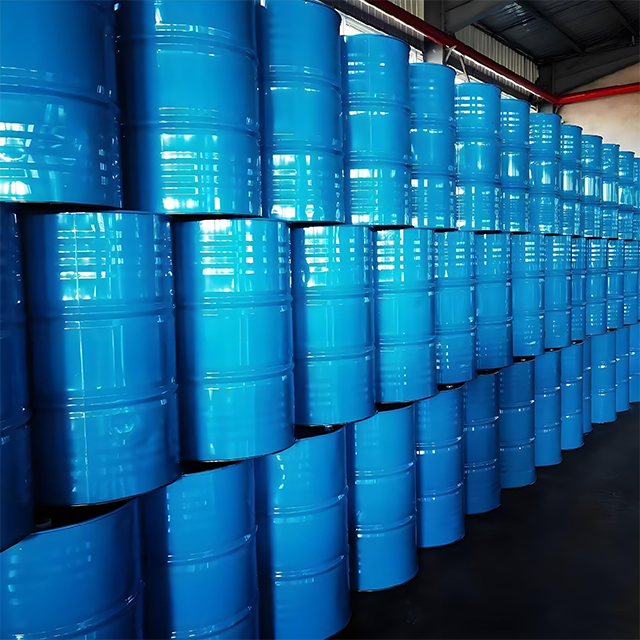
Polyurethane coatings formulated with Polyester Polyol provide strong protection for industrial surfaces. These coatings resist abrasion, chemicals, and environmental exposure. Automotive manufacturers use them to protect vehicle parts and maintain surface appearance over time. The presence of Polyester Polyol improves adhesion and flexibility within the coating structure. This allows the coating to withstand vibration and thermal expansion without cracking. As a result, polyurethane coatings remain widely used in automotive, industrial equipment, and infrastructure protection.
Adhesive technologies increasingly rely on polyurethane systems. Polyester Polyol contributes mechanical strength and bonding performance in these adhesives. Manufacturers use them in automotive assembly, electronics manufacturing, and structural bonding applications. Polyurethane adhesives formulated with Polyester Polyol can bond metals, plastics, and composites effectively. The resulting adhesive layer maintains flexibility while resisting chemicals and temperature changes. This combination of strength and resilience helps ensure reliable bonding in demanding environments.
Sealants are essential for protecting structures and electronic components. Polyester Polyol-based polyurethane sealants provide strong waterproofing and environmental resistance. They are widely used in window joints, construction gaps, and electronic housings.
The elasticity of polyurethane sealants allows them to absorb movement between materials. Polyester Polyol contributes durability and resistance to oils and environmental stress. This makes these sealants suitable for both building construction and industrial equipment protection.
Industrial polyurethane elastomers formulated with Polyester Polyol are widely used in heavy-duty mechanical environments. Their strong intermolecular structure improves abrasion resistance, load capacity, and chemical stability. Engineers often select these materials for components exposed to continuous friction, oils, or mechanical loads.
| Industrial Application | Typical Elastomer Component | Common Polyester Polyol Type | Key Technical Indicators (Typical Range) | Performance Characteristics | Engineering / Processing Considerations |
|---|---|---|---|---|---|
| Conveyor systems | Conveyor rollers and idler rollers | Adipate-based Polyester Polyol | Hardness: 85–95 Shore A; Tensile strength: 35–50 MPa; Elongation: 350–600%; DIN abrasion loss: 80–120 mm³ | Excellent wear resistance and load-bearing capacity | Maintain uniform curing temperature (90–110°C) to prevent internal stress |
| Mining and bulk handling equipment | Conveyor belt scraper blades | Polycaprolactone Polyester Polyol | Tensile strength: 40–55 MPa; Tear strength: 70–120 kN/m; Operating temp: -30°C to 100°C | High tear resistance and impact durability | Use MDI-based prepolymer systems to maximize toughness |
| Heavy-duty wheels | Industrial wheels and caster wheels | Aliphatic Polyester Polyol | Hardness: 90–98 Shore A; Compression set: <30% at 70°C (ASTM D395); Load capacity: 300–1000 kg per wheel (application dependent) | Strong load capacity and abrasion resistance | Control crosslink density to balance hardness and elasticity |
| Printing and coating machinery | Printing rollers and coating rollers | Polyester Polyol elastomer grade | Surface hardness: 70–90 Shore A; Surface roughness: Ra < 1 µm; Abrasion loss: <100 mm³ (DIN 53516) | Stable surface performance and solvent resistance | Roller grinding and finishing required for dimensional precision |
| Oil and chemical processing equipment | Seals, bushings, and liners | Polyester Polyol + chain extender systems | Oil resistance: stable in ASTM IRM903 oil test; Tensile strength: 30–45 MPa; Elongation: 300–500% | Excellent resistance to oils, fuels, and industrial chemicals | Select polyols with acid value <2 mg KOH/g for long-term stability |
| Material handling equipment | Forklift wheels and drive rollers | Polyester Polyol elastomer systems | Hardness: 90–97 Shore A; Dynamic load capacity: >500 kg; Abrasion resistance: DIN loss <90 mm³ | High fatigue resistance and vibration damping | Proper curing time (16–24 hours post-cure) improves durability |
| Mechanical transmission components | Timing belt coatings and protective linings | Branched Polyester Polyol | Tensile strength: 35–50 MPa; Flex fatigue resistance: >1 million cycles (DeMattia test) | Strong mechanical strength and flex durability | Accurate stoichiometry control ensures consistent elastomer properties |
Tip:For industrial elastomer applications, selecting the correct Polyester Polyol molecular weight (typically 1000–3000 g/mol) and pairing it with MDI-based isocyanates can significantly improve abrasion resistance and fatigue life in high-load mechanical systems.
The footwear industry uses Polyester Polyol to manufacture durable polyurethane soles. These soles provide flexibility while maintaining resistance to wear. Athletic shoes and safety footwear often rely on polyurethane elastomers derived from Polyester Polyol. Because the material absorbs impact effectively, it improves comfort during movement. Manufacturers also benefit from its ability to maintain shape and resilience over time. These properties support long-lasting footwear products designed for active lifestyles.
Thermoplastic polyurethane made with Polyester Polyol is widely used in automotive components and cable protection. These materials offer flexibility while resisting oils and mechanical stress. Cable jacketing made from TPU protects electrical wiring in industrial and transportation systems. Automotive engineers value TPU materials for their ability to perform in demanding environments. Polyester Polyol contributes strength and chemical stability to these polymers. As a result, TPU components help improve safety and reliability in electrical and mechanical systems.
Energy efficiency has become a major focus in modern construction. Polyester Polyol is used to produce rigid polyurethane insulation panels that reduce heat loss in buildings. These panels help maintain indoor temperatures and lower energy consumption. Construction companies prefer polyurethane insulation because it offers strong structural performance and high thermal resistance. Polyester Polyol contributes stability and durability to these insulation materials. This allows buildings to maintain insulation efficiency over long service periods.
Waterproofing materials protect buildings from moisture and environmental damage. Polyester Polyol-based polyurethane coatings form strong protective layers on roofs, foundations, and industrial surfaces. These coatings resist chemicals, weather exposure, and mechanical wear. The flexibility of polyurethane coatings allows them to adapt to structural movement. Polyester Polyol improves chemical resistance and surface durability. This makes these coatings suitable for infrastructure projects that require long-term protection.
Buildings require sealants to protect joints and structural connections. Polyester Polyol-based polyurethane sealants provide reliable adhesion and flexibility. They are commonly used in expansion joints, wall panels, and structural connections. These sealants prevent water penetration and environmental damage. Polyester Polyol improves the strength and durability of the cured material. As a result, construction engineers rely on polyurethane sealants to maintain building integrity over time.
Automotive interiors require materials that combine comfort and durability. Polyester Polyol is used to manufacture polyurethane foam for seats, armrests, and interior panels. These materials provide cushioning while maintaining structural strength. The foam also reduces vibration and noise inside the vehicle cabin. Polyester Polyol contributes mechanical resilience, ensuring that the foam retains its shape during long-term use. This improves passenger comfort and overall vehicle performance.
Automotive coatings must withstand harsh environmental conditions. Polyester Polyol is used in polyurethane coatings that protect vehicle surfaces from corrosion and abrasion. These coatings also maintain gloss and color stability over time. Because polyurethane coatings adhere strongly to metal and plastic surfaces, they provide reliable protection for automotive parts. Polyester Polyol helps improve chemical resistance and durability. This ensures that coatings maintain their performance during long service periods.
Transportation systems depend on durable mechanical components. Polyester Polyol-based polyurethane elastomers are used to produce wheels, rollers, and suspension components. These parts must resist wear while maintaining flexibility. The elastomer structure absorbs vibration and mechanical stress. Polyester Polyol contributes toughness and chemical resistance, making it suitable for heavy-duty transportation equipment. These materials support reliable operation in demanding industrial environments.
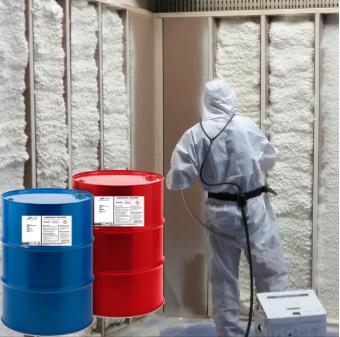
Many industrial machines require materials that withstand mechanical stress and chemical exposure. Polyester Polyol helps create polyurethane components that maintain strength under demanding conditions. These materials appear in gears, rollers, and protective machine parts. The molecular structure of Polyester Polyol provides strong intermolecular bonding within polyurethane systems. This improves resistance to wear and industrial chemicals. Manufacturers use these materials to increase equipment reliability and reduce maintenance needs.
Synthetic leather often relies on polyurethane coatings made with Polyester Polyol. These coatings create flexible surfaces that resemble natural leather while maintaining durability. They are widely used in furniture, footwear, and automotive interiors. Polyurethane coatings provide smooth texture, flexibility, and wear resistance. Polyester Polyol improves mechanical performance while supporting lightweight materials. This combination allows manufacturers to create high-quality synthetic materials for modern consumer products.
Sustainability has become a growing focus in polymer development. Manufacturers now produce bio-based Polyester Polyol from renewable resources such as plant oils. These materials support environmentally responsible polyurethane production. Bio-based Polyester Polyol allows manufacturers to reduce dependence on petroleum-based raw materials. At the same time, it maintains the performance characteristics required for polyurethane applications. This innovation supports the development of more sustainable industrial materials.
Polyester Polyol is a key raw material in polyurethane production. It supports foams, coatings, adhesives, sealants, and elastomers used in construction, automotive, and industrial equipment. Its molecular structure allows engineers to design materials with strong durability, chemical resistance, and long service life. As polyurethane technology evolves, Polyester Polyol continues to drive innovation in modern materials. Hengshui Xinfa Polyurethane Materials Co., Ltd. provides high-quality Polyester Polyol products with stable performance and reliable supply, helping manufacturers improve product quality and production efficiency.
A: Polyester Polyol is used to produce polyurethane foams, coatings, adhesives, sealants, and elastomers for construction, automotive, and industrial products.
A: Polyester Polyol improves durability, chemical resistance, and structural strength in polyurethane systems used across many industries.
A: Polyester Polyol reacts with isocyanates to form polymer chains that create flexible or rigid polyurethane foam structures.
A: Polyester Polyol appears in insulation panels, automotive seats, industrial rollers, coatings, adhesives, and protective materials.
A: Polyester Polyol offers strong mechanical performance, wear resistance, and long service life in polyurethane materials.
A: Yes. Polyester Polyol is widely used in spray foam insulation, waterproof coatings, and structural sealants in modern buildings.


