Introduction
Polyurethane materials appear in many industries, including foams, coatings, elastomers, and adhesives. At the center of these materials is Polyester Polyol, a critical chemical building block that influences strength, durability, and flexibility. Understanding how Polyester Polyol is produced helps engineers design better polyurethane systems. In this article, you will learn how Polyester Polyol is synthesized, which raw materials are used, and how industrial processes control polymer structure and performance.
What Is Polyester Polyol and Why Its Manufacturing Matters
Chemical Structure of Polyester Polyol
A Polyester Polyol is a polymer containing repeating ester linkages and terminal hydroxyl groups. The structure forms when dicarboxylic acids react with diols during condensation polymerization. Each repeating unit contains an ester bond, which gives the polymer strong intermolecular interactions and mechanical stability. These hydroxyl groups at the chain ends allow the material to react with isocyanates during polyurethane synthesis. The molecular architecture strongly influences performance. Longer chains produce flexible polyurethane materials, while shorter chains create rigid structures. The ratio between acids and alcohols also determines how many reactive hydroxyl groups remain in the polymer. Because of this, manufacturers carefully control molecular structure during Polyester Polyol synthesis.
Role of Polyester Polyol in Polyurethane Systems
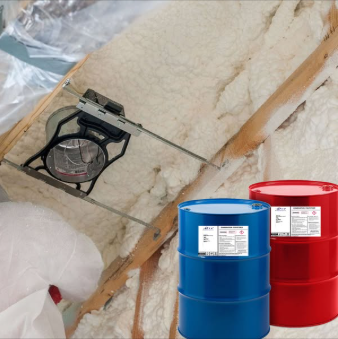
In polyurethane chemistry, Polyester Polyol acts as the soft segment of the polymer network. When it reacts with isocyanates, the resulting structure creates elastomers, foams, coatings, and adhesives with balanced mechanical properties. Its ester backbone improves cohesion and increases resistance to abrasion and chemicals. Industries rely on Polyester Polyol because it contributes both strength and stability. In coatings, it supports hardness and weather resistance. In elastomers, it improves load-bearing performance. In adhesives, it strengthens bonding between surfaces. Because the polyol forms the backbone of the polyurethane matrix, its structure determines how the final product performs.
Why Production Methods Affect Polyester Polyol Performance
The way a Polyester Polyol is manufactured directly influences its molecular weight and chemical functionality. Reaction conditions such as temperature, catalyst selection, and raw material ratios determine how long the polymer chains grow. These parameters also affect viscosity and hydroxyl value.
Industrial producers adjust synthesis conditions to create different grades of Polyester Polyol. Low molecular weight versions support rigid foam systems. Higher molecular weight structures produce flexible polyurethane materials. By managing reaction kinetics and purification steps, manufacturers ensure consistent chemical performance across large production volumes.
Core Raw Materials Used to Make Polyester Polyol
Dicarboxylic Acids and Anhydrides
The production of Polyester Polyol begins with dicarboxylic acids or their anhydrides. These compounds contain two carboxyl groups, which react with hydroxyl groups during esterification. Common raw materials include adipic acid, terephthalic acid, and phthalic anhydride. Each acid contributes different properties to the final polymer chain. Adipic acid often produces flexible polyester structures suitable for elastomers and soft coatings. Aromatic acids such as terephthalic acid introduce rigidity and increase thermal resistance. By combining different acids, chemists can design Polyester Polyol molecules that balance strength, flexibility, and durability in polyurethane products.
Polyhydric Alcohols (Diols and Triols)
Polyhydric alcohols supply the hydroxyl groups required for polymer formation. Typical glycols used in Polyester Polyol synthesis include ethylene glycol, diethylene glycol, and 1,4-butanediol. These molecules react with carboxylic acids to create ester bonds that form the polymer backbone. Some formulations also incorporate triols such as glycerol or trimethylolpropane. These multifunctional alcohols introduce branching into the polymer structure. Branched polyester chains increase crosslinking potential during polyurethane production. This adjustment allows manufacturers to tailor elasticity, hardness, and chemical resistance in the final materials.
Additives and Catalysts in Polyester Polyol Synthesis
Industrial synthesis of Polyester Polyol relies on catalysts and functional additives to maintain reaction efficiency and product stability. These materials influence esterification rate, polymer structure, color quality, and processing performance during large-scale polyester polyol manufacturing.
| Category |
Typical Chemical Type |
Primary Function |
Typical Dosage Range |
Key Technical Indicators |
Application Notes |
Process Considerations |
| Esterification Catalyst |
Tin-based catalysts (e.g., Dibutyltin oxide, DBTO) |
Accelerate esterification between diacids and glycols |
0.01–0.05 wt% of total reactants |
High catalytic activity; stable at 180–220 °C |
Common in flexible and coating-grade Polyester Polyol |
Overdosing may increase side reactions and discoloration |
| Esterification Catalyst |
Titanium-based catalysts (e.g., Titanium tetrabutoxide) |
Promote rapid ester bond formation |
0.005–0.03 wt% |
Effective at 170–210 °C reaction temperature |
Suitable for high-purity polyester polyols |
Sensitive to moisture; requires dry feedstocks |
| Alternative Catalyst |
Antimony compounds (e.g., Sb₂O₃) |
Used in some polyester polymerization processes |
0.01–0.04 wt% |
Stable under high-temperature polycondensation |
Applied in certain aromatic polyester polyol systems |
Requires controlled handling due to toxicity concerns |
| Thermal Stabilizer |
Phosphite stabilizers (e.g., tris(nonylphenyl) phosphite) |
Prevent polymer degradation during high-temperature processing |
0.02–0.10 wt% |
Improves oxidation resistance |
Maintains polymer stability during extended heating |
Must be compatible with polyurethane formulations |
| Color Stabilizer |
Antioxidants or color inhibitors |
Reduce yellowing and color formation |
0.02–0.08 wt% |
Helps maintain ≤150 APHA color level in many industrial grades |
Important for coating and adhesive applications |
Excess dosage may affect downstream curing |
| Viscosity Modifier |
Low-molecular polyols or glycol modifiers |
Adjust viscosity and processing behavior |
0.5–3 wt% depending on formulation |
Can reduce viscosity range 500–20,000 mPa·s |
Improves mixing and pumpability |
Must remain reactive within polyurethane systems |
| Compatibility Modifier |
Reactive chain extenders or branching agents (e.g., TMP) |
Adjust polymer branching and functionality |
0.1–2 wt% |
Increases hydroxyl functionality and crosslink potential |
Used for elastomers and rigid PU systems |
Requires precise stoichiometric control |
Tip:Catalyst selection strongly influences Polyester Polyol reaction kinetics. Titanium catalysts often provide faster esterification, while tin catalysts deliver more stable long-duration polymerization control in large industrial reactors.
The Main Chemical Reaction Behind Polyester Polyol Production
Esterification Reaction Between Acids and Diols
The core reaction in Polyester Polyol synthesis is esterification. In this process, a dicarboxylic acid reacts with a diol to form an ester bond and release water as a byproduct. The reaction begins when raw materials are heated in a reactor under controlled conditions. As ester bonds form, short molecules link together to create polymer chains. The generated water must be removed continuously from the reactor. Removing water shifts the reaction equilibrium toward polymer formation, allowing the chain to grow longer and form the desired polyester structure.
Polycondensation for Chain Growth
After initial esterification, the reaction enters the polycondensation stage. During this phase, the polymer chains continue linking together to increase molecular weight. Small molecules such as water or excess glycol leave the system while longer chains develop. Controlling this step allows manufacturers to define the final molecular structure of the Polyester Polyol. Engineers monitor parameters such as hydroxyl value and acid number during the reaction. These indicators help determine whether the polymer chains have reached the target length for the intended polyurethane application.
Reaction Conditions That Drive Polyester Polyol Formation
Industrial Polyester Polyol synthesis occurs at elevated temperatures, typically between 170 °C and 230 °C. These conditions promote ester bond formation and allow polymer chains to grow efficiently. Reactors often operate under nitrogen atmospheres to prevent oxidation. Vacuum conditions may be applied during later stages of the process. Reduced pressure helps remove residual water and volatile components. By controlling temperature, pressure, and reaction time, manufacturers ensure the polymer reaches the desired molecular weight and chemical functionality.
Step-by-Step Industrial Manufacturing Process of Polyester Polyol
Raw Material Preparation and Charging
Industrial production begins with raw material preparation. Manufacturers measure dicarboxylic acids and glycols according to precise formulations. These components are purified and transferred into a reaction vessel equipped with mixers, heaters, and condensers. The initial ratio between acids and alcohols determines the polymer’s end groups. Many formulations use a slight excess of alcohol to ensure hydroxyl termination in the final Polyester Polyol. After loading the reactor, operators initiate heating to begin the esterification reaction.
Controlled Esterification and Water Removal
As temperature rises, esterification begins and water forms as a byproduct. Industrial reactors include distillation systems that continuously remove this water. Removing water drives the reaction forward and encourages polymer formation. Operators carefully monitor temperature and agitation during this stage. Uniform heating allows reactants to mix effectively and prevents local overheating. The steady removal of water supports efficient synthesis and helps maintain consistent polymer structure across the batch.
Polycondensation and Final Polymer Formation
During the final stage, polycondensation increases the molecular weight of the polymer. Reaction conditions continue until the Polyester Polyol reaches the target hydroxyl number and acid value. These measurements confirm that the polymer chain structure meets formulation requirements. Once the reaction finishes, the product cools and passes through filtration or purification steps. These steps remove catalyst residues and trace impurities. The finished Polyester Polyol is then transferred to storage tanks or packaging systems for shipment to polyurethane manufacturers.
Alternative Production Methods for Polyester Polyol
Melt Polycondensation (Direct Esterification)
The most widely used industrial method for producing Polyester Polyol is melt polycondensation. In this approach, diacids and glycols react directly at high temperatures in a molten state. The reaction forms ester bonds while releasing water. This method works well for large-scale production because it provides high reaction efficiency and straightforward equipment design. Manufacturers can easily adjust raw material ratios to produce polyester polyols with different molecular weights and functionalities.
Ring-Opening Polymerization of Lactones
Another technique involves the ring-opening polymerization of cyclic esters such as caprolactone. In this method, the cyclic molecule opens and attaches to a glycol initiator, forming a polyester chain. The reaction proceeds under catalytic conditions. This process produces highly controlled polymer structures. It allows manufacturers to create specialized Polyester Polyol grades with predictable molecular weight and narrow distribution. These materials often appear in high-performance polyurethane systems.
Transesterification and PET Recycling Routes
Recycling technologies also contribute to modern Polyester Polyol production. One approach involves glycolysis of polyethylene terephthalate (PET) waste. In this reaction, PET reacts with glycols to form aromatic polyester polyols suitable for rigid polyurethane foams. This method supports circular manufacturing by converting plastic waste into valuable chemical feedstock. The resulting polyols often deliver strong thermal performance and cost efficiency in insulation materials and construction products.
Process Control and Quality Optimization in Polyester Polyol Manufacturing
Monitoring Key Parameters During Production
During Polyester Polyol synthesis, operators continuously measure hydroxyl value, acid value, viscosity, and moisture content to control polymer growth. The hydroxyl number determines the reactivity of the polyol in polyurethane reactions, while the acid number indicates whether esterification is complete. Online sampling and titration analysis help maintain stable product quality. Process control systems often regulate temperature and vacuum levels to maintain consistent reaction rates and prevent excessive viscosity increase during polymer formation.
Controlling Molecular Weight and Polymer Structure
Molecular weight design plays a central role in Polyester Polyol performance. By adjusting the molar ratio of diacids to diols, manufacturers regulate chain length and hydroxyl functionality. Higher glycol content generally produces lower molecular weight polyols with higher hydroxyl values. Reaction temperature and catalyst activity also influence polymer branching and chain distribution. Careful control of these factors allows producers to tailor Polyester Polyol grades for coatings, elastomers, rigid foams, or flexible polyurethane systems.
Purification, Finishing, and Product Preparation
After synthesis, Polyester Polyol must undergo controlled purification and finishing steps. These operations remove residual catalysts, water, and volatile compounds while ensuring the final product meets strict industrial specifications for polyurethane production.
| Process Stage |
Main Purpose |
Typical Equipment |
Operating Conditions |
Key Technical Indicators |
Quality Control Points |
Industrial Application Significance |
| Primary Filtration |
Remove catalyst residues and solid impurities |
Plate-and-frame filters, bag filters, metal filter cartridges |
Filtration accuracy typically 5–25 μm |
Insoluble particles ≤ 0.05 wt% |
Prevent filter rupture or contamination |
Protects downstream polyurethane reactions from particulate contamination |
| Fine Filtration |
Improve clarity and purity of Polyester Polyol |
Precision filtration units, micro-porous cartridges |
Filtration accuracy 1–5 μm |
Color value typically ≤150 APHA for many coating-grade polyols |
Routine filter replacement required |
Enhances performance in coatings, elastomers, and adhesives |
| Vacuum Devolatilization |
Remove residual water and volatile components |
Thin-film evaporators, vacuum reactors |
Vacuum 5–50 mbar, temperature 120–200 °C |
Moisture content typically ≤0.05 wt% |
Control temperature to avoid polymer degradation |
Improves storage stability and polyurethane reaction efficiency |
| Residual Monomer Removal |
Reduce unreacted diols or acids |
Vacuum distillation systems |
Temperature 150–220 °C depending on formulation |
Acid number generally ≤2 mg KOH/g |
Continuous monitoring during distillation |
Ensures stable reactivity in polyurethane formulations |
| Laboratory Quality Testing |
Verify final product specifications |
Titration analyzers, rotational viscometers, Karl Fischer moisture analyzers |
Standard laboratory conditions |
Hydroxyl value 20–800 mg KOH/g (application dependent); viscosity 500–20,000 mPa·s; moisture ≤0.05 wt% |
Batch sampling and documentation required |
Guarantees compatibility with polyurethane manufacturing processes |
| Product Storage |
Maintain product stability before shipment |
Stainless steel storage tanks, heated storage vessels |
Storage temperature typically 25–60 °C |
Stable viscosity and moisture control |
Tanks often protected with nitrogen blanketing |
Prevents oxidation and moisture absorption |
| Packaging and Transportation |
Deliver finished Polyester Polyol safely |
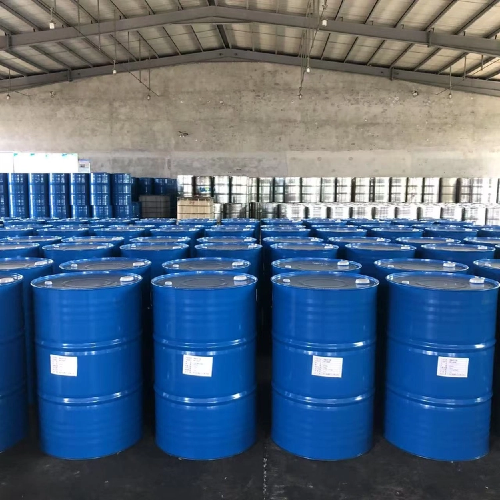
200 L steel drums, IBC containers, bulk tank trucks |
Sealed packaging at ambient conditions |
Batch identification and technical data sheet provided |
Moisture protection during filling |
Enables safe industrial logistics and traceability |
Tip:Polyester Polyol is hygroscopic. Industrial storage and packaging systems often use nitrogen blanketing and sealed containers to prevent moisture uptake that could interfere with polyurethane reactions.
Conclusion
Polyester Polyol production combines controlled chemistry and precise process design. Diacids react with polyhydric alcohols through esterification and polycondensation, forming polymer chains with reactive hydroxyl groups. Careful control ensures stable polyurethane performance. Hengshui Xinfa Polyurethane Materials Co., Ltd. provides reliable Polyester Polyol products that support durable foams, coatings, elastomers, and adhesives across many industries.
FAQ
Q: What is a Polyester Polyol?
A: Polyester Polyol is a polymer made from diacids and polyhydric alcohols.
Q: How is Polyester Polyol produced?
A: Polyester Polyol forms through esterification and polycondensation reactions.
Q: Why is Polyester Polyol important in polyurethane?
A: Polyester Polyol provides strength, durability, and chemical resistance.
Q: What raw materials make Polyester Polyol?
A: Polyester Polyol uses dicarboxylic acids and glycols.
Q: How do manufacturers control Polyester Polyol quality?
A: Producers monitor hydroxyl value, viscosity, and acid number.
Q: Is Polyester Polyol used in many industries?
A: Yes, Polyester Polyol supports foams, coatings, elastomers, and adhesives.


