| Availability: | |
|---|---|
| Quantity: | |
NXF-400;XF-250P;XF-2003;XF-2006;XF-300W
Polyester Polyols For Rigid Foam are high-performance polymers synthesized from aromatic dicarboxylic acids (or their anhydrides/esters) and diols/polyols. Key raw materials include terephthalic acid, phthalic anhydride, ethylene glycol, and propylene glycol, with specialized formulations using adipic acid and phthalic anhydride blends to balance viscosity, cost, and performance. Small amounts of triols are incorporated to create branched molecular structures, enhancing the overall functionality of the polyester polyol-based rigid polyurethane (PU) spray foam.
Polyester polyol-based rigid polyurethane (PU) spray foam offers high mechanical strength, chemical resistance, and thermal stability, making it suitable for demanding applications like cold storage, industrial insulation, and structural reinforcement. Below is a detailed guide on its properties, applications, and spraying process.
| Product Model | Hydroxyl value (mgKOH/g) | Acid Value (mgKOH/g) | Moisture (%) | Viscosity (CPS 25℃) |
| XF-3152 | 315±15 | ≤2.0 | ≤0.1 | 3000±500 |
| XF-2412 | 260±10 | ≤1.5 | ≤0.1 | 8000+1500 |
| XF-1752 | 175±10 | ≤1.0 | ≤0.1 | <5000 |
| XF-2002 | 195±5 | ≤1.0 | ≤0.1 | 10000-30000 |
| NXF-400 | 400±20 | ≤2.0 | ≤0.15 | 3000±1000 |
| XF-235 | 230-245 | ≤2.0 | ≤0.15 | 10500±1500 |
Package:
It is packed in 200 liter iron drum, net weight 225kg.
Storage:
Please store in a cool, ventilated place.
The rigid foam polyester polyols deliver outstanding mechanical strength and thermal stability, ensuring long-term durability in harsh environments. Their high primary hydroxyl group content boosts reactivity, reducing catalyst usage and lowering production costs.
Abundant benzene rings in the molecular structure of aromatic polyester polyols significantly improve flame retardancy, exceeding safety standards for industrial applications. Compared to polyether-based alternatives, these products offer superior toughness while maintaining cost advantages.
Our polyester polyols seamlessly replace part or all polyether polyols in polyurethane and polyisocyanurate rigid foam formulations, especially suitable for polyisocyanurate foam production. They adapt to various processing conditions without compromising product quality.
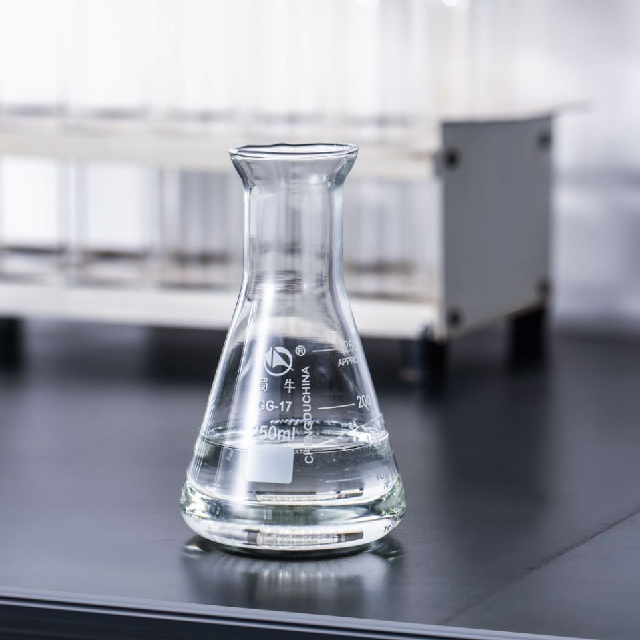
In the industry, aromatic polyester polyols often replace part or all of the polyether polyols in polyurethane and polyisocyanurate rigid foam formulations. Aromatic polyester polyols are particularly suitable for polyisocyanurate foams. The abundant benzene rings in the foam structure improve both heat resistance and flame retardancy. Internationally, aromatic polyester polyols are widely used in the production of sandwich foam panels for construction and on-site spray foam applications in the building industry.
Apply as core material for sandwich foam panels in construction, providing airtight and thermal insulation for walls, roofs, and industrial facilities.
Use in on-site spray foam applications for industrial pipelines, storage tanks, and equipment, ensuring efficient heat retention and energy conservation.
These polyurethane rigid foams containing polyester exhibit not only the properties of polyether-based rigid foams but also enhanced toughness, excellent flame resistance, and cost advantages. Additionally, the high primary hydroxyl group content of polyester polyols increases their reactivity, allowing for reduced catalyst usage.
Utilize in structural reinforcement projects to enhance load-bearing capacity of buildings and industrial structures.
Deploy in cold storage facilities to maintain stable low temperatures, leveraging thermal stability and chemical resistance to withstand extreme temperature fluctuations.
Each batch of polyester polyols undergoes strict testing for hydroxyl value, acid value, moisture content, and viscosity, adhering to industry standards (e.g., XF-3152: hydroxyl value 315±15 mgKOH/g, moisture ≤0.1%). Our advanced production process ensures consistent product performance.
We offer tailored formulations based on specific application needs, adjusting raw material ratios and molecular structures to optimize functionality. Our technical team provides professional support to help customers achieve optimal production results.
Packaged in 200-liter iron drums, our products are stored in cool, ventilated facilities to preserve quality. We maintain stable inventory levels to ensure timely delivery, supporting continuous production for our clients.
A1: Store in a cool, ventilated area away from direct sunlight and high temperatures. Avoid contact with moisture and incompatible substances to prevent degradation. Proper storage ensures product performance remains intact for 12 months from the production date.
A2: Yes, they are compatible with most common foam additives such as flame retardants, surfactants, and blowing agents. Our technical team can provide guidance on additive ratios to achieve desired foam properties.
A3: The standard minimum order quantity is 1 drum. For bulk orders or customized formulations, please contact our sales team for special arrangements and preferential pricing.
Polyester Polyols For Rigid Foam are high-performance polymers synthesized from aromatic dicarboxylic acids (or their anhydrides/esters) and diols/polyols. Key raw materials include terephthalic acid, phthalic anhydride, ethylene glycol, and propylene glycol, with specialized formulations using adipic acid and phthalic anhydride blends to balance viscosity, cost, and performance. Small amounts of triols are incorporated to create branched molecular structures, enhancing the overall functionality of the polyester polyol-based rigid polyurethane (PU) spray foam.
Polyester polyol-based rigid polyurethane (PU) spray foam offers high mechanical strength, chemical resistance, and thermal stability, making it suitable for demanding applications like cold storage, industrial insulation, and structural reinforcement. Below is a detailed guide on its properties, applications, and spraying process.
| Product Model | Hydroxyl value (mgKOH/g) | Acid Value (mgKOH/g) | Moisture (%) | Viscosity (CPS 25℃) |
| XF-3152 | 315±15 | ≤2.0 | ≤0.1 | 3000±500 |
| XF-2412 | 260±10 | ≤1.5 | ≤0.1 | 8000+1500 |
| XF-1752 | 175±10 | ≤1.0 | ≤0.1 | <5000 |
| XF-2002 | 195±5 | ≤1.0 | ≤0.1 | 10000-30000 |
| NXF-400 | 400±20 | ≤2.0 | ≤0.15 | 3000±1000 |
| XF-235 | 230-245 | ≤2.0 | ≤0.15 | 10500±1500 |
Package:
It is packed in 200 liter iron drum, net weight 225kg.
Storage:
Please store in a cool, ventilated place.
The rigid foam polyester polyols deliver outstanding mechanical strength and thermal stability, ensuring long-term durability in harsh environments. Their high primary hydroxyl group content boosts reactivity, reducing catalyst usage and lowering production costs.
Abundant benzene rings in the molecular structure of aromatic polyester polyols significantly improve flame retardancy, exceeding safety standards for industrial applications. Compared to polyether-based alternatives, these products offer superior toughness while maintaining cost advantages.
Our polyester polyols seamlessly replace part or all polyether polyols in polyurethane and polyisocyanurate rigid foam formulations, especially suitable for polyisocyanurate foam production. They adapt to various processing conditions without compromising product quality.

In the industry, aromatic polyester polyols often replace part or all of the polyether polyols in polyurethane and polyisocyanurate rigid foam formulations. Aromatic polyester polyols are particularly suitable for polyisocyanurate foams. The abundant benzene rings in the foam structure improve both heat resistance and flame retardancy. Internationally, aromatic polyester polyols are widely used in the production of sandwich foam panels for construction and on-site spray foam applications in the building industry.
Apply as core material for sandwich foam panels in construction, providing airtight and thermal insulation for walls, roofs, and industrial facilities.
Use in on-site spray foam applications for industrial pipelines, storage tanks, and equipment, ensuring efficient heat retention and energy conservation.
These polyurethane rigid foams containing polyester exhibit not only the properties of polyether-based rigid foams but also enhanced toughness, excellent flame resistance, and cost advantages. Additionally, the high primary hydroxyl group content of polyester polyols increases their reactivity, allowing for reduced catalyst usage.
Utilize in structural reinforcement projects to enhance load-bearing capacity of buildings and industrial structures.
Deploy in cold storage facilities to maintain stable low temperatures, leveraging thermal stability and chemical resistance to withstand extreme temperature fluctuations.
Each batch of polyester polyols undergoes strict testing for hydroxyl value, acid value, moisture content, and viscosity, adhering to industry standards (e.g., XF-3152: hydroxyl value 315±15 mgKOH/g, moisture ≤0.1%). Our advanced production process ensures consistent product performance.
We offer tailored formulations based on specific application needs, adjusting raw material ratios and molecular structures to optimize functionality. Our technical team provides professional support to help customers achieve optimal production results.
Packaged in 200-liter iron drums, our products are stored in cool, ventilated facilities to preserve quality. We maintain stable inventory levels to ensure timely delivery, supporting continuous production for our clients.
A1: Store in a cool, ventilated area away from direct sunlight and high temperatures. Avoid contact with moisture and incompatible substances to prevent degradation. Proper storage ensures product performance remains intact for 12 months from the production date.
A2: Yes, they are compatible with most common foam additives such as flame retardants, surfactants, and blowing agents. Our technical team can provide guidance on additive ratios to achieve desired foam properties.
A3: The standard minimum order quantity is 1 drum. For bulk orders or customized formulations, please contact our sales team for special arrangements and preferential pricing.
